Cooperatives in Italy
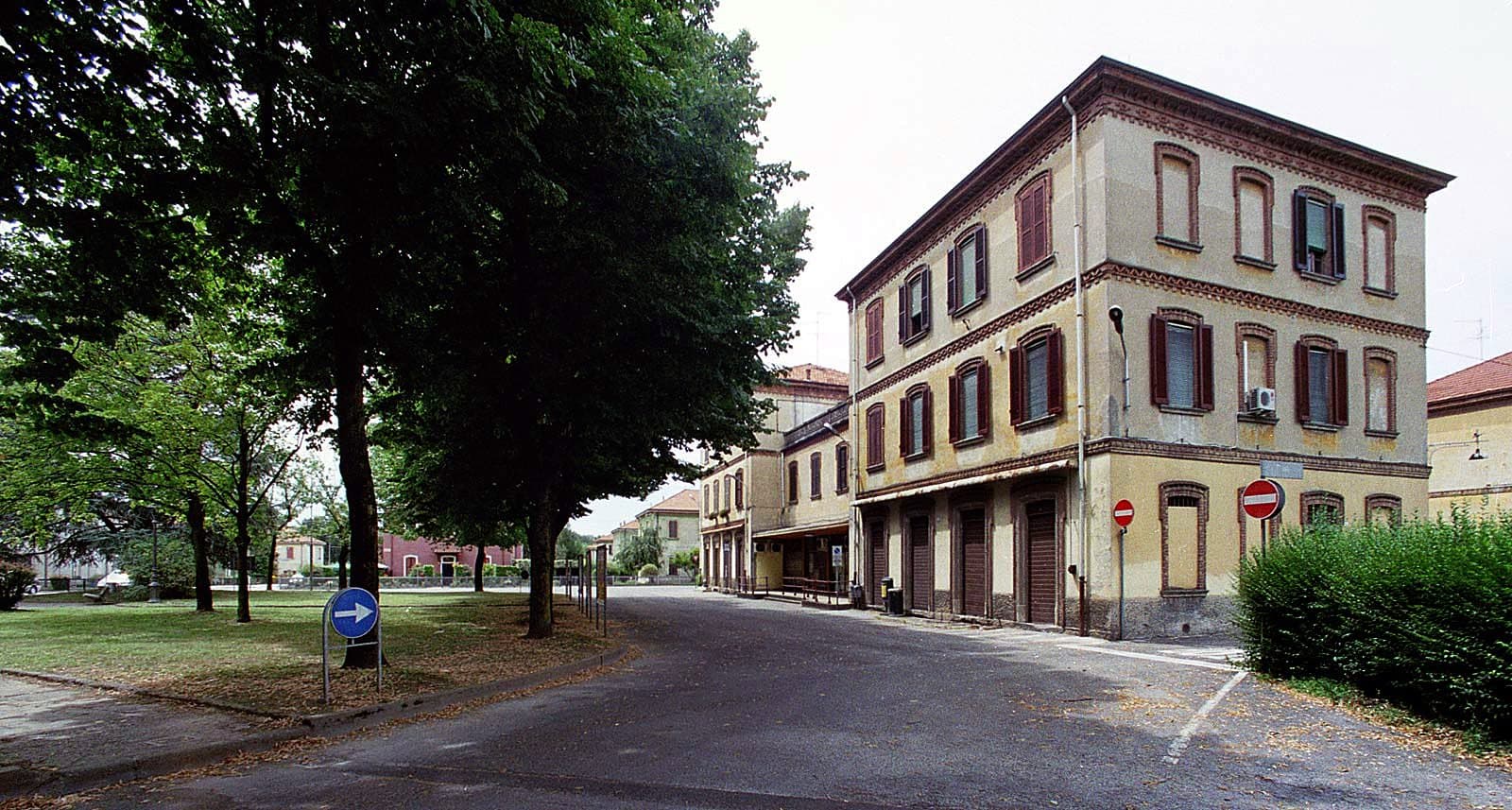
Real cooperatives in Italy, photographed on location. Full credits on our attributions page.
Overview of the Cooperative Sector in Italy
Italy has more than 80,000 cooperatives with 12 million members — one of the most cooperative-dense economies in the world, where cooperatives generate approximately 8% of national GDP. The Emilia-Romagna region, centered on Bologna, is the single most cooperative-intensive economy on earth: roughly 40% of the region's GDP flows through cooperative enterprises, from food retail to construction to insurance.
Italy's cooperative sector is organized through three major national federations reflecting distinct historical and political traditions: Legacoop (historically socialist-aligned, the largest by economic size), Confcooperative (Catholic-inspired, strong in agricultural cooperatives), and AGCI (republican and social democratic currents). All three cooperate through the joint umbrella body Alleanza Cooperative Italiane for national policy advocacy.
Article 45 of the Italian Constitution — ratified in 1948 — states that the Republic recognizes the social function of cooperation based on mutual assistance and without private speculation and obliges the state to promote and encourage cooperatives. This is the most explicit constitutional commitment to cooperatives of any major democracy, and it has shaped legislation and public policy for 80 years, including Italy's globally influential social cooperative law (Law 381/1991).
Types of Cooperatives in Italy
Consumer Cooperatives (Coop Italia)
Coop Italia is Italy's largest food retailer with ~9 million members and ~1,200 supermarkets and hypermarkets. A federated structure of eight large regional consumer cooperatives sharing a central purchasing organization and brand while each operating independently.
Social Cooperatives (Law 381/1991)
Italy's distinctive innovation: 15,000+ social cooperatives employing ~400,000 workers. Type A cooperatives deliver social, health, and educational services under government contracts. Type B cooperatives integrate disadvantaged workers into productive employment — at least 30% of staff from legally defined disadvantaged categories.
Agricultural and Food Processing Cooperatives
Covering dairy (Granarolo, €1B+ revenue), tomato and vegetable processing (Conserve Italia — Cirio, Valfrutta brands), and wine (cooperative wineries in Trentino, Puglia, Sicily, and Veneto are among the world's largest by volume).
Construction Cooperatives
Worker-owned construction cooperatives, including CMC di Ravenna (founded 1901), historically executing multi-billion-euro infrastructure projects on four continents before financial difficulties in the late 2010s.
Notable Cooperatives in Italy
Coop Italia
Consumer RetailItaly's largest food retailer and one of the world's largest consumer cooperatives, with approximately 9 million members (~15% of Italy's population). Operates around 1,200 supermarkets and hypermarkets. Its private-label products are among the most trusted in Italy for food safety, reflecting member accountability that commercial retailers find harder to maintain.
Unipol Gruppo
Insurance (Cooperative-Owned)Italy's second-largest insurance company by premiums (revenues exceeding €13 billion), majority-owned by Finsoe — a holding company owned by Emilia-Romagna cooperatives within the Legacoop federation. Unipol is a conventional joint-stock insurer that happens to be cooperatively owned; its cooperative character manifests in board composition and strategic priorities.
Granarolo
Dairy / AgriculturalItaly's largest dairy cooperative group, based in Bologna. Processes milk from member farmers across northern Italy and produces branded dairy products (fresh milk, yogurt, cheese) sold across Italy and exported to European markets. Annual revenue exceeds €1 billion.
Conserve Italia
Food Processing / AgriculturalThe largest Italian food cooperative in fruit and vegetable processing, producing the Cirio, Valfrutta, and Jolly Colombani brands. Owned by farmer cooperatives in Emilia-Romagna, Campania, and other regions. One of the largest tomato processing operations in Europe.
Regulatory Framework
| Primary Legislation | Italian Civil Code (Codice Civile), Articles 2511–2548; Law 381/1991 (social cooperatives); Italian Constitution, Article 45 |
| Regulator | Ministry of Labor and Social Policies; recognized cooperative federations (Legacoop, Confcooperative, AGCI) conduct mandatory biennial audits |
| Key Year | 1948 (Constitution); 1942 (Civil Code); 1991 (social coops) |
| Notes | Italian cooperatives must affiliate with a recognized national federation (Legacoop, Confcooperative, or AGCI) or be supervised directly by the Ministry of Labor. Federations conduct periodic audits verifying democratic governance, financial compliance, and cooperative character. The ristorno — surplus allocated to members in proportion to their activity — is the key mechanism distinguishing cooperative surplus distribution from dividends. |
How to Form a Cooperative in Italy
- 1
Assemble minimum 3 founders (9 for larger cooperatives by type)
- 2
Draft atto costitutivo (founding act) and statuto sociale (bylaws) compliant with Civil Code Articles 2511–2548
- 3
Execute deed before a notary (notaio)
- 4
Register with the Registro delle Imprese (Companies Register) at the local Chamber of Commerce (Camera di Commercio)
- 5
Obtain a tax code (codice fiscale) and VAT number (partita IVA) from the Agenzia delle Entrate
- 6
Affiliate with a recognized national federation (Legacoop, Confcooperative, or AGCI) within 12 months of formation — mandatory for cooperative status recognition
- 7
Social cooperatives additionally register in the albo delle cooperative sociali (social cooperative register) at the regional authority
Frequently Asked Questions — Cooperatives in Italy
What does Article 45 of the Italian Constitution say about cooperatives?
Article 45 states that the Republic recognizes the social function of cooperation based on mutual assistance and without private speculation, and that the law must promote and encourage cooperatives while ensuring their genuine cooperative character. This is the most explicit constitutional commitment to cooperatives in any major democracy and has been used to justify tax advantages, public procurement preferences, and the 1991 social cooperative law.
What are Italy's three cooperative federations?
Italy has three major federations: Legacoop (historically communist/socialist-aligned, largest by economic size, based in Bologna), Confcooperative (historically Catholic-inspired, strong in agricultural cooperatives and northeastern Italy), and AGCI (associated with republican and social democratic traditions). All three cooperate through the joint umbrella body Alleanza Cooperative Italiane for national policy advocacy.
What is a Type B social cooperative in Italy?
A Type B social cooperative (defined by Law 381/1991) is a cooperative whose primary purpose is integrating disadvantaged workers into productive employment. At least 30% of its workforce must consist of people from legally defined disadvantaged categories: physical or mental disabilities, former prisoners, recovering addicts, and long-term unemployed. Type B cooperatives operate commercially in any sector — cleaning, catering, printing, IT, agriculture — and must be financially sustainable through earned revenue.
Why is Emilia-Romagna so cooperative-dense?
The combination of deep artisan and agricultural cooperative traditions from the late 19th century, post-war Communist Party governance actively promoting cooperative enterprise, cooperative intercooperation mechanisms (construction coops referring work to each other, consumer coops buying from agricultural coops), and decades of surplus reinvestment into the local economy created a self-reinforcing ecosystem. Roughly 40% of Emilia-Romagna's GDP now flows through cooperatives.
Learn More
Cooperatives in Italy — In-Depth Guide
History, legislation, notable organisations, and sector breakdowns.
Find Cooperatives in Italy
Browse 26,000+ cooperatives by sector, country, and size in our free directory.