What Are Agricultural Cooperatives?
Agricultural cooperatives are member-owned organisations through which farmers, ranchers, fishers, and other primary producers collectively purchase inputs, process raw commodities, and market finished goods. Rather than competing individually against much larger buyers and processors, members pool their volume to secure better input prices, access processing infrastructure, and negotiate from a position of scale.
The agricultural cooperative model emerged in response to a structural imbalance: individual farmers are price-takers in commodity markets, while the buyers, processors, and input suppliers they deal with are often oligopolistic. By acting collectively under the Rochdale principles of democratic control and equitable distribution, cooperatives restore bargaining power to producers. Profits — called 'patronage dividends' in US law — are returned to members in proportion to their use of the cooperative.
Today, agricultural cooperatives operate at every scale, from small village-level dairy societies in Kerala, India processing a few thousand litres a day, to multinational organisations like Fonterra (New Zealand) with annual revenues exceeding NZ$22 billion. In the United States, roughly 2,000 agricultural cooperatives with over 3 million member-farmers collectively generate more than $100 billion in annual revenue.
How Agricultural Cooperatives Work
- 1
Farmers apply to join and purchase membership shares, becoming co-owners of the organisation.
- 2
Members pool their production — grain, milk, fruit, fish — and deliver to shared processing or marketing facilities.
- 3
The cooperative negotiates prices for inputs (seed, fertiliser, fuel) in bulk, passing savings back to members.
- 4
Processed or marketed products are sold under the cooperative's brand or in bulk markets.
- 5
Net margins (after operating costs and reserves) are returned to members as patronage dividends, usually pro-rated to the volume each member contributed.
- 6
Members elect a board of directors on a one-member-one-vote basis to govern strategy, executive appointments, and major capital decisions.
Agricultural Cooperatives in the Real World
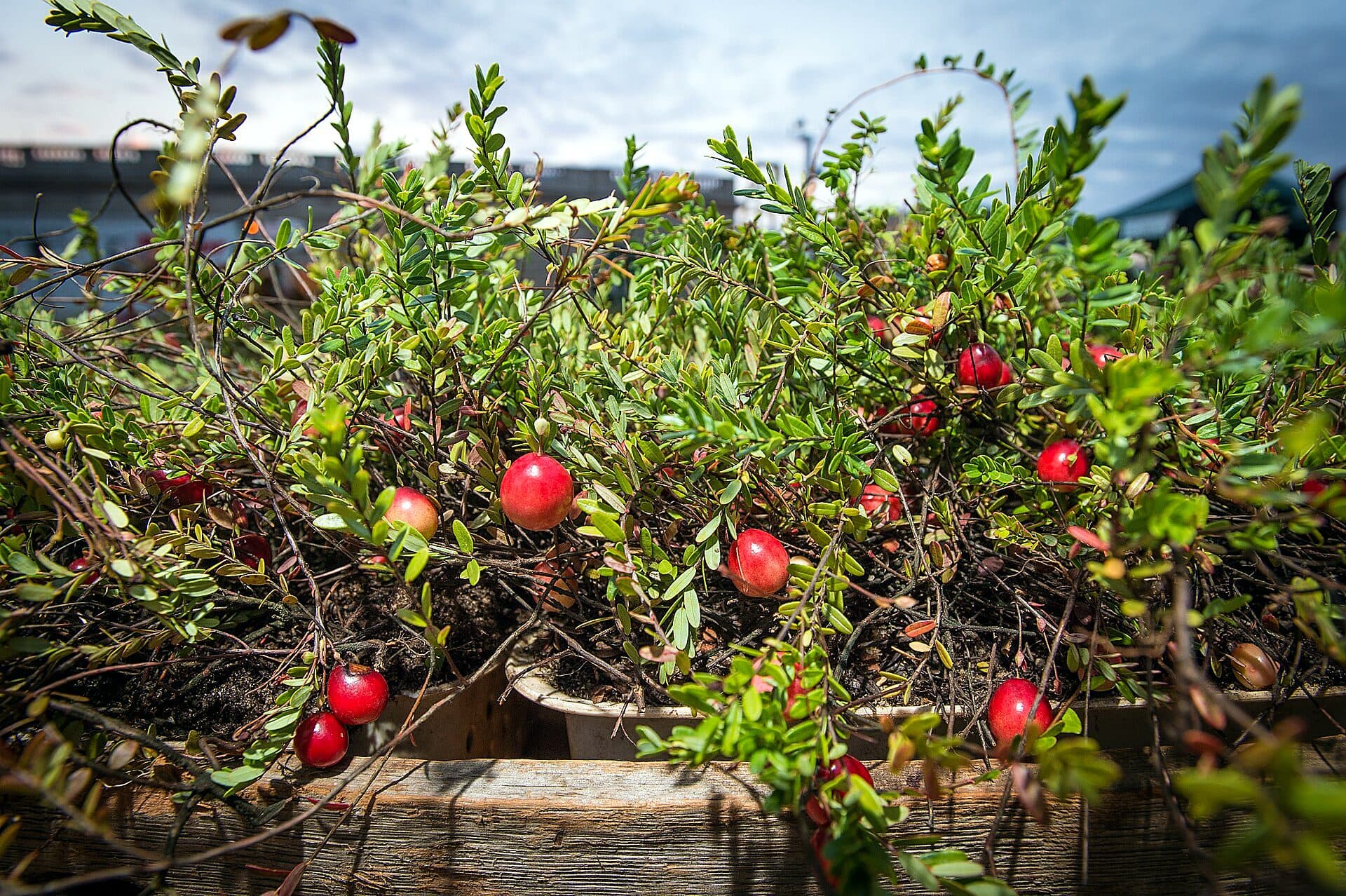
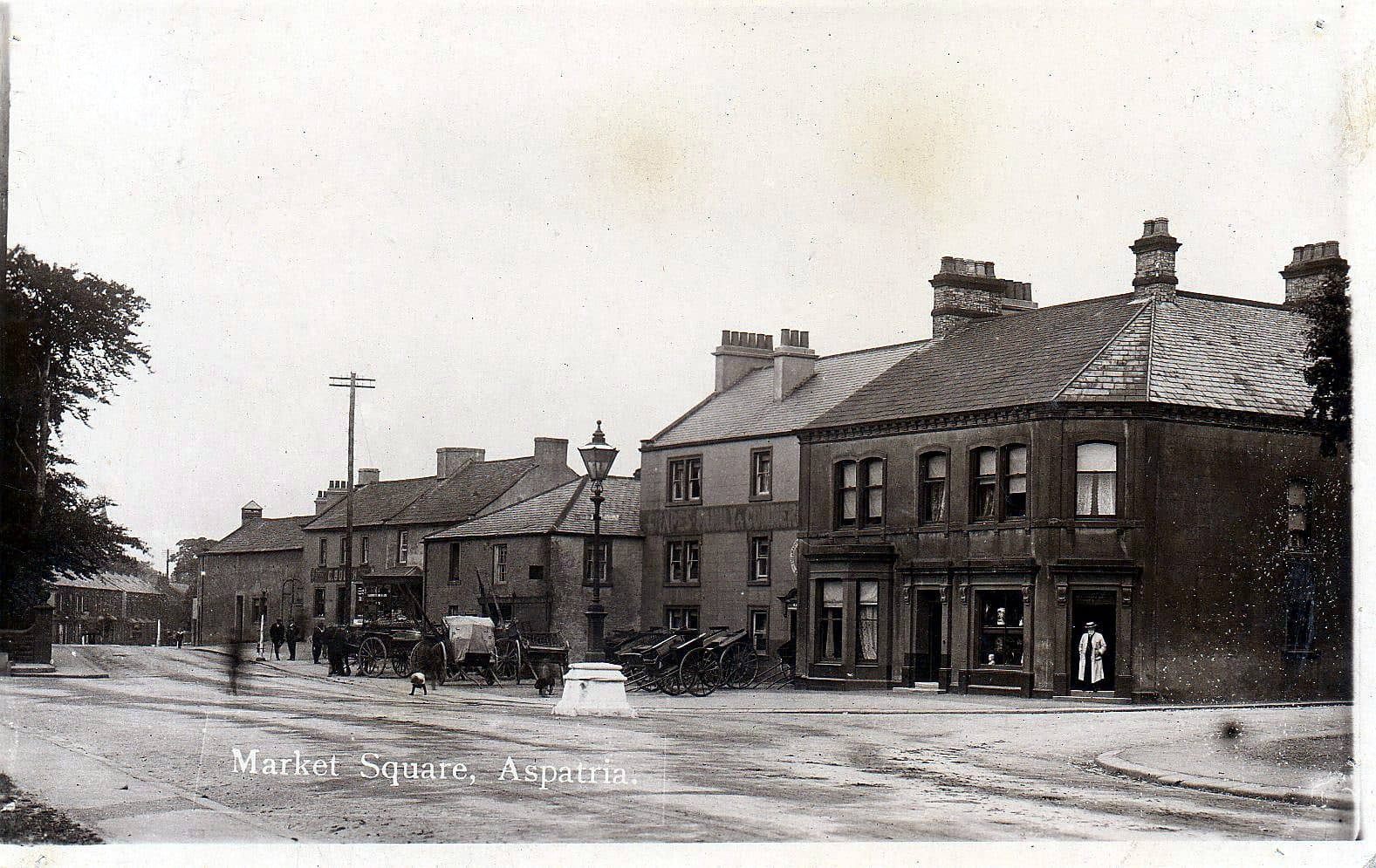

Real cooperatives photographed on location. Full credits on our attributions page.
Major Examples Worldwide
Dairy Farmers of America (DFA)
United StatesEst. 1998America's largest dairy cooperative, with ~12,500 member farms and $18 billion in annual revenue. Processes roughly 30% of US milk supply through a national network of plants.
Land O'Lakes
United StatesEst. 1921Farmer-owned cooperative with $15 billion in annual revenue across dairy, crop inputs, and animal nutrition. Owns the Land O'Lakes butter brand and the WinField United agronomy division.
Fonterra
New ZealandEst. 2001Owned by ~10,000 New Zealand dairy farmers, Fonterra exports roughly 95% of NZ's milk and accounts for approximately 30% of global dairy trade. Brands include Anchor and Anlene.
Amul (GCMMF)
IndiaEst. 1946The Gujarat Cooperative Milk Marketing Federation underpins India's White Revolution. Over 3.6 million farmer-members across 18,600 village societies supply 25 million litres of milk per day.
Ocean Spray
United StatesEst. 1930Cranberry and grapefruit cooperative owned by ~700 grower-members across the US and Canada. Generates over $2 billion in annual sales and controls roughly 70% of the global cranberry market.
Frequently Asked Questions
What is the difference between a cooperative and a regular corporation in agriculture?
In a regular corporation, ownership is held by shareholders who may have no relationship with the business's operations. In an agricultural cooperative, ownership is restricted to the farmers who use the cooperative's services. Profits are distributed in proportion to patronage (how much you sold through the co-op), not share holdings.
Are agricultural cooperatives tax-exempt?
In the United States, agricultural cooperatives are not fully tax-exempt, but patronage dividends paid to members are deductible from the cooperative's taxable income under Subchapter T of the Internal Revenue Code. This means income is effectively taxed once, at the member level, rather than twice.
Can small farmers join large cooperatives like DFA?
Most large US dairy cooperatives accept farms of any size provided they meet quality and volume minimums. However, governance influence is often proportional to volume delivered, meaning large producers have more practical influence than the one-member-one-vote principle might suggest.
What are the biggest risks for agricultural cooperatives?
Commodity price volatility, over-investment in processing capacity during boom years, member loyalty (members may defect to investor-owned buyers when prices are higher), and governance challenges as cooperatives grow very large and diverse in membership.
Learn more in our Wiki
Our in-depth wiki article on Agricultural Cooperatives covers history, governance models, legal frameworks, and global statistics in detail.
Read the Agricultural Cooperatives Wiki Article →Related Sectors
Browse Agricultural Cooperatives
Search our directory of cooperatives worldwide, filtered by sector, country, and size.
Browse Agricultural Cooperatives in the Directory →