What Are Housing Cooperatives?
A housing cooperative is a legal structure in which residents collectively own a corporation that holds title to a residential building or development. Rather than owning their individual unit outright (as in a condominium), each resident purchases shares in the cooperative corporation. Those shares entitle the shareholder to a proprietary lease on a specific unit and the right to vote on building governance.
Housing cooperatives come in three main forms. Market-rate cooperatives allow shareholders to sell their shares at whatever the market will bear — these are common in New York City's Upper East Side and Upper West Side, where apartment co-op boards are legendary for their rigorous buyer approval processes. Limited-equity cooperatives restrict resale prices to keep units affordable for future buyers; residents build modest equity but cannot profit fully from housing market appreciation. Leasing cooperatives (common in Scandinavia) own no property directly but lease from a property cooperative.
Sweden's HSB and Riksbyggen models demonstrate cooperative housing at national scale: over 500,000 homes are held in cooperative tenure in Sweden, with residents enjoying security of tenure, democratic governance of their buildings, and access to cooperative financing. In the United States, Co-op City in the Bronx — 35 residential towers built under the Mitchell-Lama programme — remains the largest cooperative housing development in the world, housing approximately 50,000 residents in 15,000 units.
How Housing Cooperatives Work
- 1
A developer or nonprofit builds or acquires a property and establishes a cooperative corporation.
- 2
Prospective residents purchase shares in the corporation (the price varies by unit size and market conditions) and sign a proprietary lease.
- 3
Monthly maintenance charges cover the building's mortgage, property taxes, maintenance, and management — not unlike a condo fee, but also covering the building's underlying debt.
- 4
Residents elect a board of directors that manages building affairs, approves new buyers, and oversees capital improvements.
- 5
Residents who wish to leave sell their shares (subject to board approval and, in limited-equity co-ops, price restrictions).
- 6
The cooperative may refinance its underlying mortgage collectively, spreading financing costs across all members.
Housing Cooperatives in the Real World
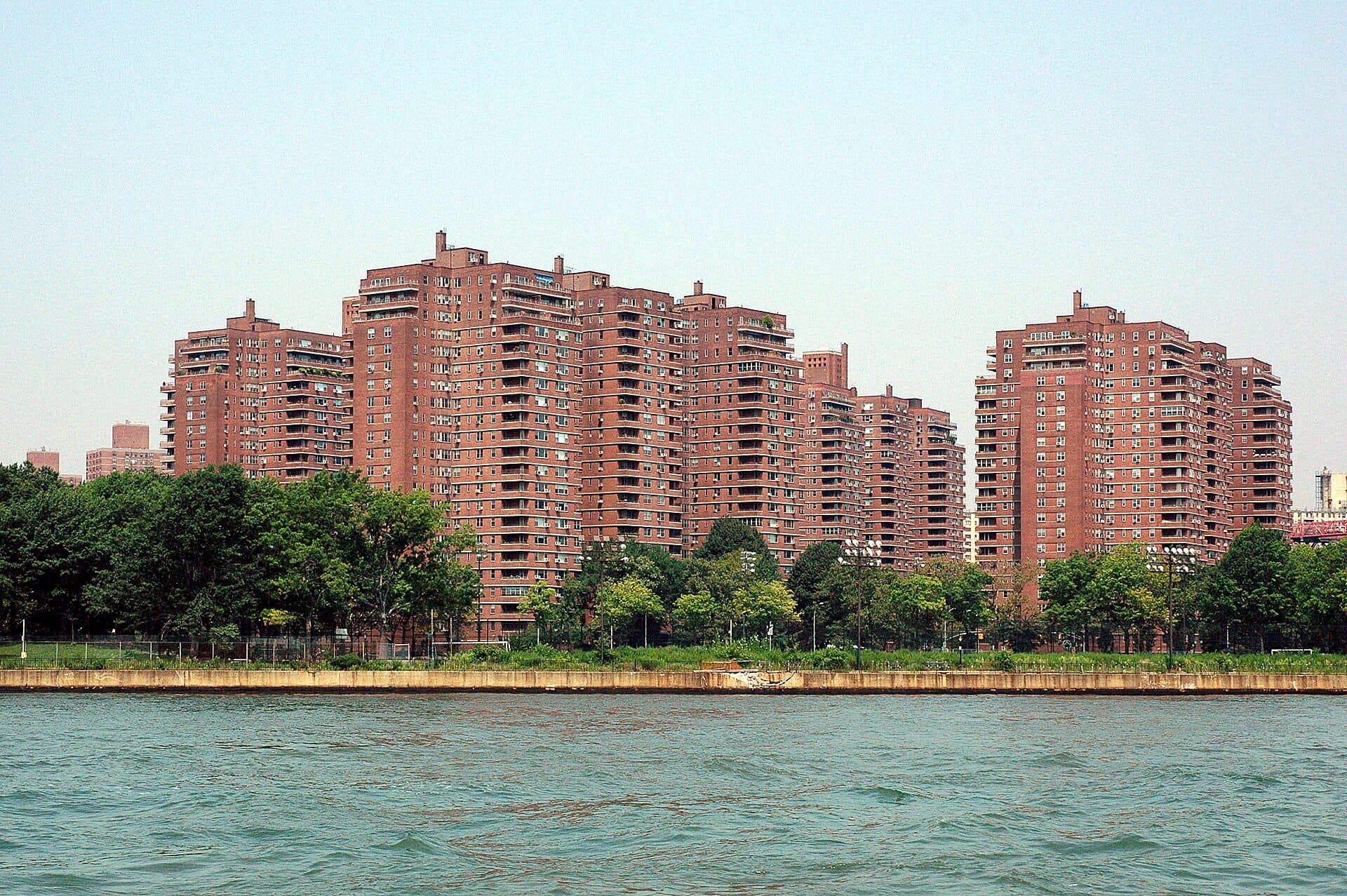

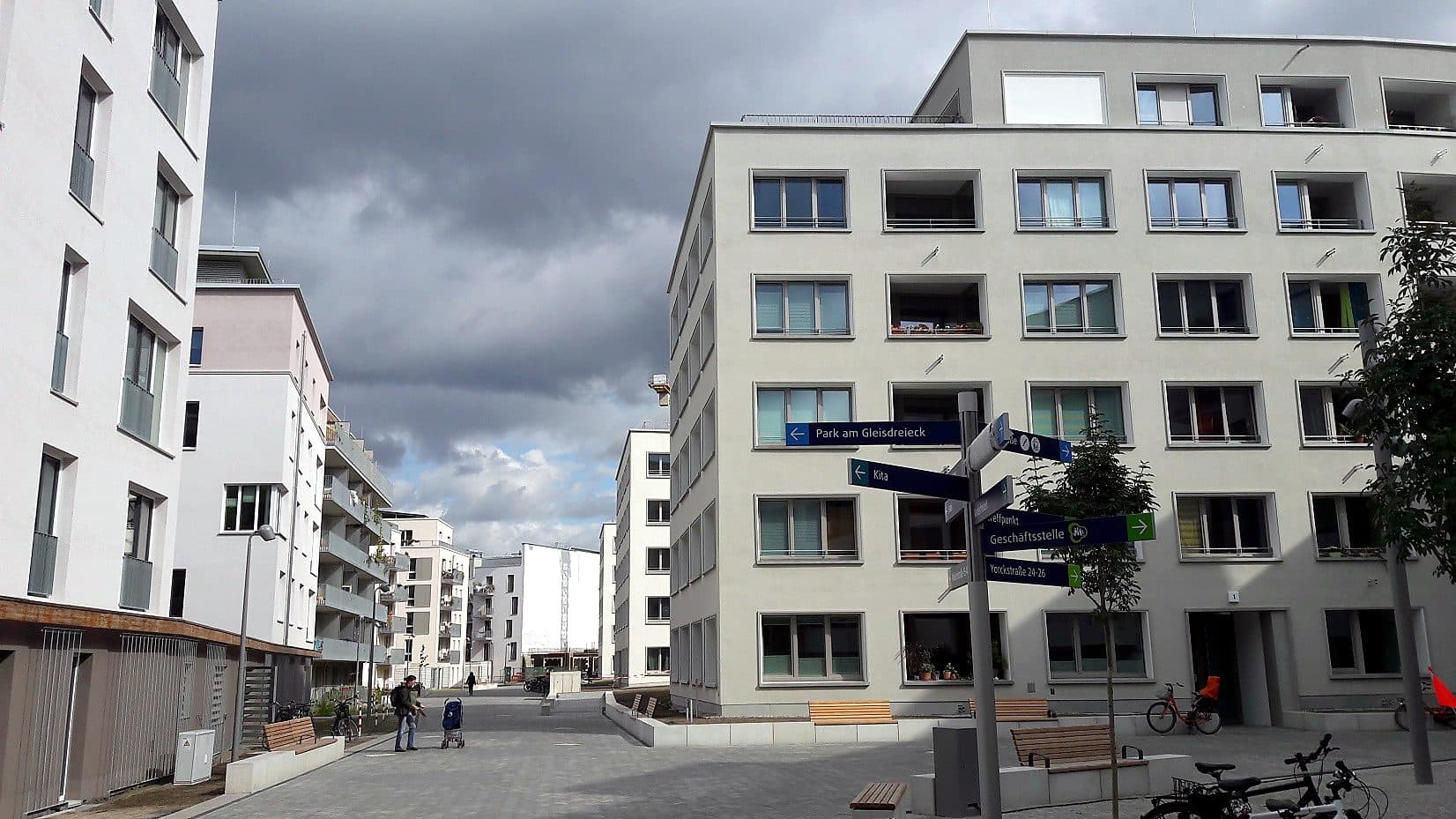
Real cooperatives photographed on location. Full credits on our attributions page.
Major Examples Worldwide
Co-op City
United StatesEst. 1968Largest cooperative housing development in the world, located in the Bronx, New York. 35 towers, 15,372 units, approximately 50,000 residents. Built under the state's Mitchell-Lama affordable housing programme.
HSB (Hyresgästernas Sparkasse- och Byggnadsförening)
SwedenEst. 1923Sweden's largest housing cooperative organisation, managing over 500,000 homes. HSB develops, builds, and manages cooperative housing across Sweden on a non-profit basis.
Twin Pines Cooperative Foundation
United StatesEst. 1952US advocacy and development organisation that promotes limited-equity cooperative housing. Pioneered the CLT (Community Land Trust) hybrid model that separates land from building ownership.
NASCO (North American Students of Cooperation)
United StatesEst. 1968Network of student housing cooperatives across US and Canadian universities, providing affordable cooperative housing to over 3,000 students at institutions including UC Berkeley and University of Michigan.
Riksbyggen
SwedenEst. 1940Swedish housing cooperative and property management company, managing approximately 130,000 cooperative apartments and providing property services to 4,000+ housing associations.
Frequently Asked Questions
What is the difference between a co-op apartment and a condo?
In a condo, you own your individual unit outright and share common areas with neighbours. In a co-op, you own shares in a corporation that owns the entire building; your shares entitle you to occupy a specific unit under a proprietary lease. Co-ops are common in New York City; condos are more common elsewhere in the US.
Why do NYC co-op boards reject buyers?
NYC co-op boards have broad discretion to reject purchasers, ostensibly to protect the financial health of the cooperative (e.g. requiring minimum liquid assets). Boards cannot legally discriminate on protected characteristics, but in practice the approval process is opaque and has historically been used to exclude minority buyers.
What is a limited-equity cooperative?
A limited-equity cooperative restricts how much a departing member can charge for their shares, keeping units permanently below-market for future buyers. Members build modest equity (often indexed to inflation or a formula) but cannot profit from the full appreciation of the housing market. This keeps units affordable across generations.
Are housing cooperatives the same as community land trusts?
No, though they share affordable housing goals. A community land trust (CLT) retains ownership of the land while selling homes on it at below-market prices with resale restrictions. A limited-equity cooperative retains ownership of the entire building (land and structure) and sells shares rather than homes. Some developments combine both models.
Learn more in our Wiki
Our in-depth wiki article on Housing Cooperatives covers history, governance models, legal frameworks, and global statistics in detail.
Read the Housing Cooperatives Wiki Article →Related Sectors
Browse Housing Cooperatives
Search our directory of cooperatives worldwide, filtered by sector, country, and size.
Browse Housing Cooperatives in the Directory →