Cooperatives in Philippines
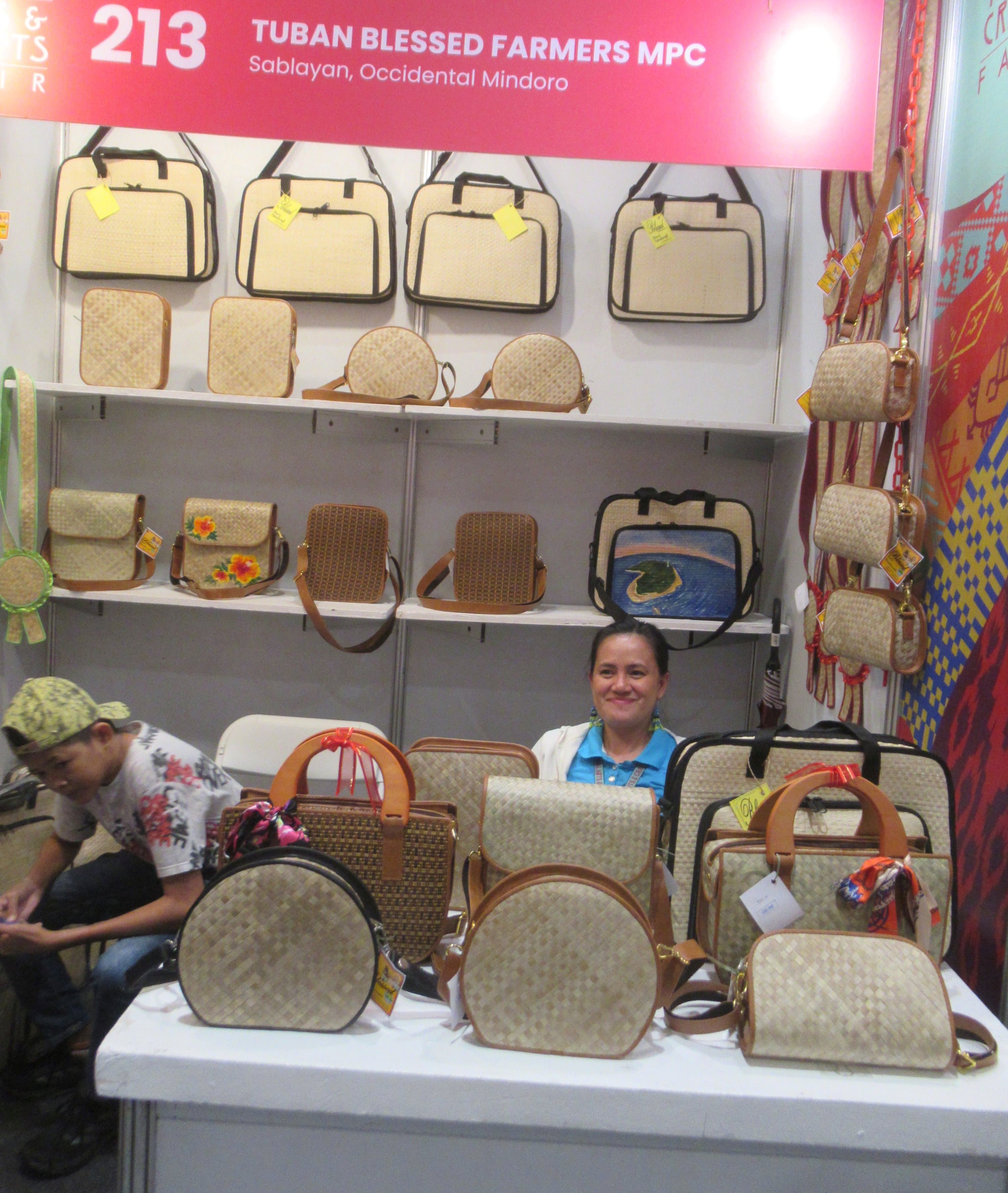
Real cooperatives in Philippines, photographed on location. Full credits on our attributions page.
Overview of the Cooperative Sector in Philippines
The Philippines has one of Southeast Asia's most developed cooperative sectors, with over 27,000 cooperatives registered with the Cooperative Development Authority (CDA) and more than 16 million members — approximately 15% of the population. The sector spans agriculture, savings and credit, consumer goods, transport, and housing, making it a cornerstone of rural economic development.
The cooperative movement in the Philippines traces its roots to the early 20th century, with formal legislative backing emerging after independence. The current framework is governed by Republic Act 9520, the Philippine Cooperative Code of 2008, which superseded the earlier Cooperative Code of 1990 and extended significant tax privileges, educational mandates, and governance standards to registered cooperatives.
Agricultural and savings & credit cooperatives dominate the landscape. SACCOs (Savings and Credit Cooperative Organizations) provide financial services to underserved rural communities, while agricultural cooperatives support smallholder farmers in rice, coconut, banana, and vegetable production. The government actively promotes cooperative development through the CDA, Department of Agriculture, and local government units.
Types of Cooperatives in Philippines
Agricultural Cooperatives
Serving smallholder farmers in rice, coconut, sugar, and vegetable production. Handle input procurement, marketing, and post-harvest facilities.
Savings and Credit Cooperatives (SACCOs)
Provide savings deposit and lending services to members, especially in rural areas underserved by commercial banks.
Consumer Cooperatives
Operate community stores and retail outlets, offering goods at cost or with patronage dividends to members.
Transport Cooperatives
Jeepney, tricycle, and van-for-hire operators organized as cooperatives for route management, parts procurement, and driver welfare.
Multi-Purpose Cooperatives
Combine credit, consumer, and service functions under one entity, common in both urban and rural settings.
Notable Cooperatives in Philippines
NATCCO Network
Umbrella / CreditNational Confederation of Cooperatives — the largest cooperative apex organization in the Philippines, representing hundreds of primary cooperatives and providing shared financial services, training, and advocacy.
Cooperative Insurance System of the Philippines (CISP)
InsuranceThe only cooperative-owned insurance company in the Philippines, offering life, non-life, and microinsurance products exclusively to cooperative members nationwide.
Abono Cooperative
AgriculturalA leading agricultural cooperative in Mindanao focused on high-value crop production and export, demonstrating the commercial potential of the cooperative model in Philippine agriculture.
Taytay sa Kauswagan (TSKI)
MicrofinanceOne of the largest microfinance NGO-cooperative hybrids in the Visayas, serving over 200,000 poor households with savings and credit services.
Regulatory Framework
| Primary Legislation | Republic Act 9520 — Philippine Cooperative Code of 2008 |
| Regulator | Cooperative Development Authority (CDA) |
| Key Year | 2008 |
| Notes | RA 9520 grants registered cooperatives tax exemptions on net surplus, importation privileges, and access to government financing. CDA oversees registration, supervision, and dissolution. |
How to Form a Cooperative in Philippines
- 1
Organize at least 15 members who share a common bond of interest
- 2
Conduct a pre-membership education seminar (PMES) — mandatory
- 3
Draft Articles of Cooperation and bylaws
- 4
File registration documents with the CDA regional office: completed application form, articles, bylaws, list of officers, financial statements, and proof of PMES
- 5
Pay the registration fee (varies by cooperative type and authorized capital)
- 6
CDA issues a Certificate of Registration, typically within 30 working days
- 7
New cooperatives must maintain a Cooperative Education and Training Fund (CETF) equal to at least 2% of net surplus
Related Cooperative Sectors
Frequently Asked Questions — Cooperatives in Philippines
How many cooperatives are registered in the Philippines?
As of the most recent CDA reports, there are over 27,000 cooperatives registered in the Philippines, with more than 16 million members representing approximately 15% of the population.
What law governs cooperatives in the Philippines?
Republic Act 9520, the Philippine Cooperative Code of 2008, is the primary law governing cooperatives. It defines cooperative types, governance structures, tax privileges, and the powers of the Cooperative Development Authority (CDA).
What are the tax benefits for Philippine cooperatives?
CDA-registered cooperatives enjoy exemption from income tax on net surplus, VAT exemption on transactions with members, and import duty privileges on certain equipment and machinery under RA 9520.
What is the minimum membership requirement to register a cooperative in the Philippines?
A minimum of 15 members with a common bond of interest is required to register a primary cooperative with the CDA.
Learn More
Cooperatives in Philippines — In-Depth Guide
History, legislation, notable organisations, and sector breakdowns.
Find Cooperatives in Philippines
Browse 26,000+ cooperatives by sector, country, and size in our free directory.