Cooperatives in Morocco
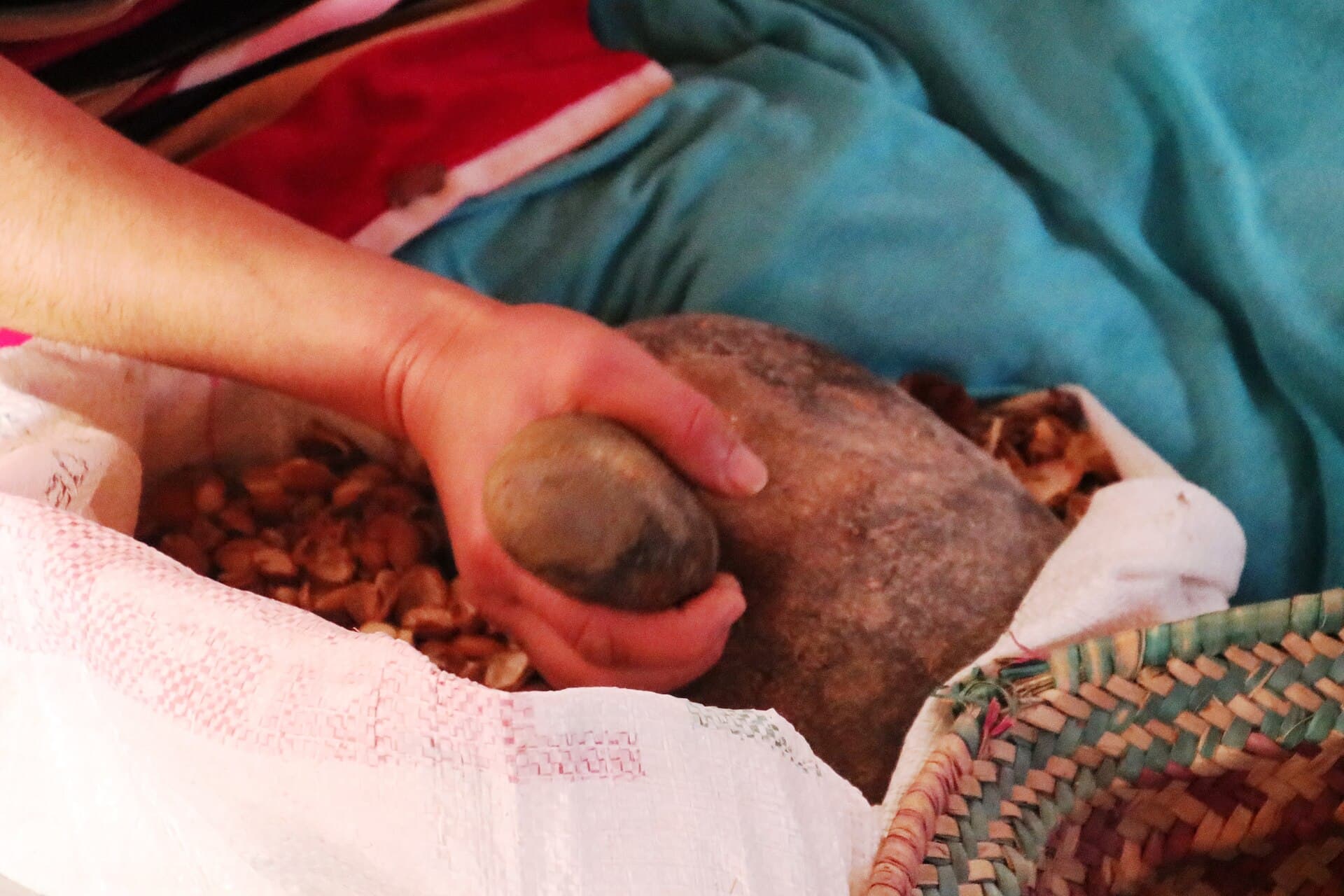
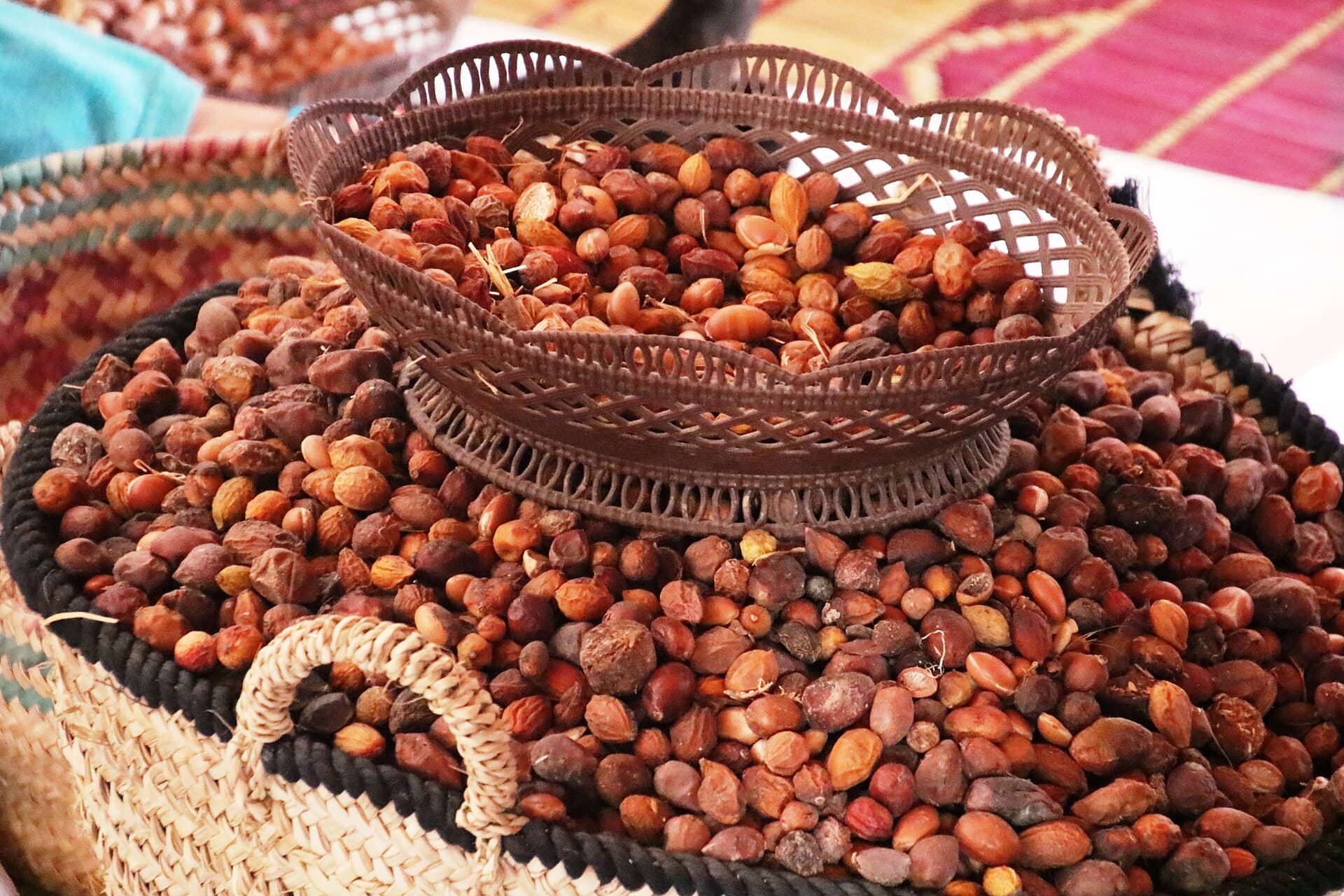
Real cooperatives in Morocco, photographed on location. Full credits on our attributions page.
Overview of the Cooperative Sector in Morocco
Morocco has over 29,000 registered cooperatives with 550,000+ members, regulated by ODCO (Office de Développement de la Coopération) under Law 112-12 of 2014. Morocco's most internationally recognized cooperative enterprises are the women's argan oil cooperatives in the Souss-Massa region — over 300 cooperatives run by rural Berber women producing certified organic argan oil for cosmetics and food markets worldwide, generating over €50 million in annual exports.
ODCO — founded in 1962, one of Africa's oldest cooperative development offices — registers cooperatives, provides technical training, audits accounts, and coordinates with international development partners including UNDP, GIZ, and the EU. COPAG (Coopérative Agricole de la Province d'Agadir), Morocco's largest dairy cooperative with 15,000 farmer members and MAD 2.5 billion in annual revenue, demonstrates what vertically integrated cooperative agribusiness can achieve in a developing country context.
The Plan Maroc Vert (Green Morocco Plan), launched in 2008, made women's cooperative development an explicit policy priority — funding cooperatives in argan oil, saffron (Taliouine region), rose water (Dades Valley), and other high-value niche agricultural products. The program has created measurable income gains: UNDP Morocco assessments found cooperative member incomes 3–5 times higher than non-member rural women in the same villages.
Types of Cooperatives in Morocco
Women's Argan Oil Cooperatives
300+ cooperatives in the argan biosphere zone (Souss-Massa, Anti-Atlas). Typically 15–50 women members producing certified organic culinary and cosmetic argan oil. Internationally recognized model of rural women's cooperative development.
Agricultural Cooperatives
COPAG dairy (15,000 members, MAD 2.5B revenue), citrus and vegetable cooperatives in Souss-Massa and Beni Mellal, olive oil cooperatives across the Meknès, Marrakech-Safi, and Oriental regions, and saffron and rose cooperatives in the Atlas.
Artisan Cooperatives
Carpet cooperatives (Beni Ourain, Azilal, Rabati), leather cooperatives in Fès and Marrakech, pottery cooperatives in Safi, and silver jewellery cooperatives — organized through ODCO and the Maison de l'Artisan.
Notable Cooperatives in Morocco
COPAG (Coopérative Agricole de la Province d'Agadir)
DairyMorocco's largest dairy cooperative, founded 1987. 15,000 farmer members in the Souss-Massa region. Processes milk under the Jibal brand. Annual revenue exceeding MAD 2.5 billion (~USD 250 million) — one of the largest cooperative enterprises in Africa by turnover.
Targanine Cooperative
Argan OilOne of Morocco's most exported argan cooperative brands, producing certified organic culinary and cosmetic argan oil for European food and cosmetics markets. Has partnerships with French cosmetics companies and exports to specialty food retailers across Europe and North America.
UCFA (Union of Women's Argan Cooperatives)
Argan Oil FederationFederates multiple primary argan cooperatives, providing collective negotiating power with international buyers, joint quality standards, and shared access to ECOCERT and COSMOS certification bodies.
Regulatory Framework
| Primary Legislation | Law 112-12 on Cooperatives (2014) |
| Regulator | ODCO (Office de Développement de la Coopération) under the Ministry in Charge of Social Economy |
| Key Year | 2014 |
| Notes | ODCO was established in 1962 and is one of Africa's oldest cooperative development offices. Law 112-12 requires minimum 7 members, annual general assemblies, and audited accounts. Strengthens provisions for women's cooperatives and small artisan cooperatives, and allows cooperatives to participate in public procurement. |
How to Form a Cooperative in Morocco
- 1
Assemble minimum 7 founding members with a shared economic purpose
- 2
Choose a cooperative name and verify availability with ODCO
- 3
Draft cooperative statutes (ODCO provides model statutes and technical assistance at regional offices)
- 4
Submit registration application to ODCO with completed forms, statutes, member list, and elected board details
- 5
Pay registration fee
- 6
Receive ODCO registration certificate and cooperative number
- 7
For argan and artisan export cooperatives: apply for relevant quality certifications (ECOCERT organic, COSMOS, Fairtrade) with ODCO and donor partner support
Related Cooperative Sectors
Frequently Asked Questions — Cooperatives in Morocco
What makes Moroccan argan cooperatives internationally significant?
Morocco's 300+ women's argan cooperatives transformed argan oil from a cottage industry into an organized export sector generating €50M+ annually. Women's cooperatives produce certified organic culinary and cosmetic argan oil for L'Oréal, The Body Shop, and dozens of artisan skincare brands. UNDP Morocco found cooperative member incomes 3–5 times higher than non-member rural women in the same villages.
What is ODCO?
ODCO (Office de Développement de la Coopération) is Morocco's central cooperative authority, founded in 1962. It registers cooperatives, provides technical training, audits accounts, and promotes cooperative formation in priority sectors. ODCO operates regional offices across Morocco and coordinates with international partners (UNDP, GIZ, EU) on development programs for women's cooperatives.
What is COPAG?
COPAG (Coopérative Agricole de la Province d'Agadir) is Morocco's largest dairy cooperative, founded in 1987. It has 15,000 farmer members in the Souss-Massa region, processes milk under the Jibal brand, and had annual revenue exceeding MAD 2.5 billion (~USD 250 million) by 2023 — making it one of the largest cooperative enterprises in Africa by turnover.
Learn More
Cooperatives in Morocco — In-Depth Guide
History, legislation, notable organisations, and sector breakdowns.
Find Cooperatives in Morocco
Browse 26,000+ cooperatives by sector, country, and size in our free directory.