Cooperatives in Nigeria
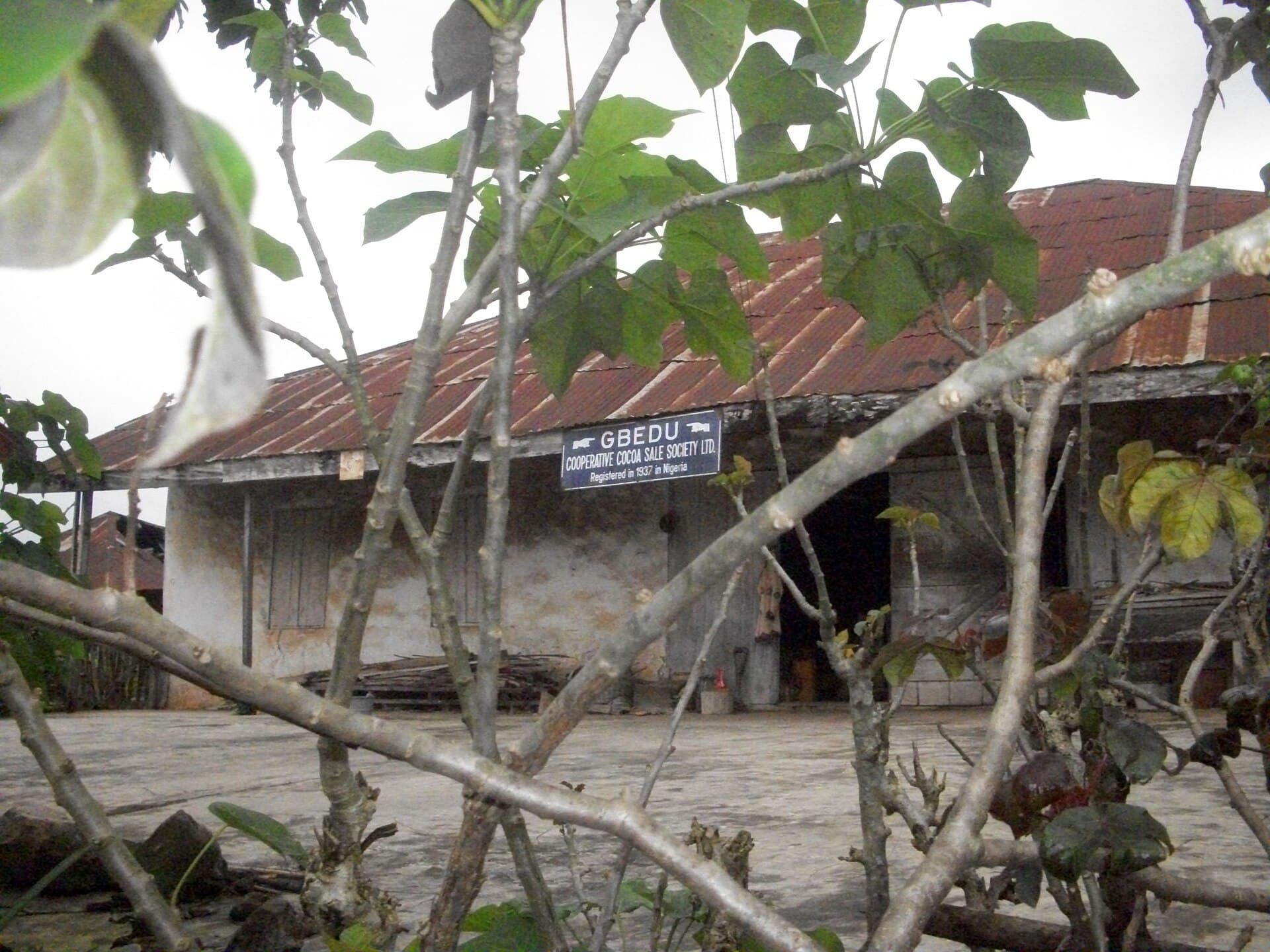

Real cooperatives in Nigeria, photographed on location. Full credits on our attributions page.
Overview of the Cooperative Sector in Nigeria
Nigeria has over 30,000 registered cooperative societies and a cooperative tradition dating to 1935, making it home to the largest cooperative sector in West Africa. The cooperative movement began under British colonial administration with the Nigeria Cooperative Societies Ordinance of 1935, organized primarily around agricultural commodity aggregation — cocoa in Yorubaland, groundnuts in the North, and palm oil in the Niger Delta.
Nigeria's cooperative regulatory structure is decentralized: the Cooperative Societies Decree No. 90 of 1993 provides the federal framework, but each of Nigeria's 36 states enacts its own Cooperative Societies Act. This patchwork means registration requirements, audit standards, and enforcement vary across states, and no single authoritative national cooperative registry exists. The Bank of Agriculture (successor to NACCRDB) provides agricultural credit and cooperative development support.
Thrift and credit cooperatives — financial cooperatives that pool member savings and lend within the group — are the most numerous and economically active cooperative type in Nigeria. Many evolved from traditional Ajo (Yoruba) and Esusu rotating credit systems. Civil servant cooperatives are particularly large: the Lagos State Civil Service Cooperative and federal ministry staff cooperatives have tens of thousands of members managing hundreds of millions of naira.
Types of Cooperatives in Nigeria
Thrift and Credit Cooperatives
The most numerous form. Operate in workplaces, religious communities, and neighborhood associations. Evolved from traditional Ajo (Yoruba) and Esusu rotating credit systems. Civil servant cooperatives serve tens of thousands of members.
Agricultural Cooperatives
Oil palm (Rivers, Imo, Cross River), cocoa (Ondo, Osun, Ogun), cassava (Oyo, Benue), groundnut/sesame (Kano, Katsina, Jigawa), and rice cooperatives. Aggregate commodities for bulk sale to processors and export.
Consumer Cooperatives
Civil service cooperative societies frequently operate cooperative shops. University campuses have staff cooperative shops. Standalone consumer cooperatives outside workplace settings face competition from Nigeria's strong informal market sector.
Notable Cooperatives in Nigeria
Lagos State Civil Service Cooperative
Thrift & CreditOne of Nigeria's largest workplace cooperatives, with tens of thousands of members among Lagos State government employees. Manages hundreds of millions of naira in savings and loans, providing credit for housing, education, and small business investment at rates well below commercial banks.
Cocoa Farmers Association of Nigeria (CFAN)
Agricultural / CocoaWorks with cooperative structures to aggregate cocoa beans for export in the southwestern cocoa belt (Ondo, Osun, Ogun, Ekiti). Nigeria was once the world's largest cocoa producer; CFAN cooperatives represent the surviving collective marketing infrastructure.
Bank of Agriculture (BOA)
Financial / DevelopmentSuccessor to NACCRDB (National Agricultural Cooperative and Rural Development Bank), merged in 2010. Provides agricultural credit and cooperative development loans. Has faced persistent capitalization challenges but remains the primary federal financing body for agricultural cooperatives.
Regulatory Framework
| Primary Legislation | Cooperative Societies Decree No. 90 of 1993 (federal) + 36 state Cooperative Societies Acts |
| Regulator | Federal Ministry of Agriculture and Rural Development (policy) + State Ministries of Commerce and Cooperatives (registration/enforcement) |
| Key Year | 1993 |
| Notes | Cooperative regulation is a concurrent subject under Nigeria's constitution — each state has its own Registrar of Cooperative Societies. A cooperative registered in Lagos State is not automatically recognized in Abuja or Kano. The Bank of Agriculture (BOA) is the apex agricultural finance institution for cooperatives. |
How to Form a Cooperative in Nigeria
- 1
Identify the relevant state: registration is done at state level through the State Ministry of Commerce and Cooperatives
- 2
Assemble minimum members (typically 10–15 depending on state law) with a common bond of purpose
- 3
Draft a cooperative constitution/bye-laws in accordance with the applicable state Cooperative Societies Act
- 4
Submit application to the State Registrar of Cooperative Societies with completed forms, bye-laws, list of members and officers, and proof of initial capital contribution
- 5
Pay the prescribed registration fee (varies by state)
- 6
Receive Certificate of Registration from the State Registrar
- 7
Annual compliance: submit audited accounts and annual returns to the State Registrar; hold annual general meeting
Related Cooperative Sectors
Frequently Asked Questions — Cooperatives in Nigeria
How many cooperatives exist in Nigeria?
Nigeria has over 30,000 registered cooperative societies — the largest cooperative sector in West Africa. Estimated membership is 5–7 million. Because cooperative regulation is decentralized across 36 states, no single authoritative national registry exists; figures are estimates from state registrar records and National Bureau of Statistics surveys.
What is the difference between Ajo/Esusu and a registered cooperative?
Ajo (Yoruba) and Esusu are traditional Nigerian rotating credit systems — informal, based on member trust, with no legal registration or external oversight. A registered cooperative society operates under a state Cooperative Societies Act with formal governance requirements, elected officers, audited accounts, and access to government-supported financing through the Bank of Agriculture.
What is the Bank of Agriculture?
The Bank of Agriculture (BOA) is the successor to NACCRDB (National Agricultural Cooperative and Rural Development Bank), merged in 2010. It is the primary federal financing institution for agricultural cooperatives, providing development loans, cooperative credit, and technical assistance. It has faced persistent capitalization challenges that have limited its effectiveness relative to comparable institutions like Kenya's cooperative finance bodies.
Learn More
Cooperatives in Nigeria — In-Depth Guide
History, legislation, notable organisations, and sector breakdowns.
Find Cooperatives in Nigeria
Browse 26,000+ cooperatives by sector, country, and size in our free directory.