Cooperatives in Spain
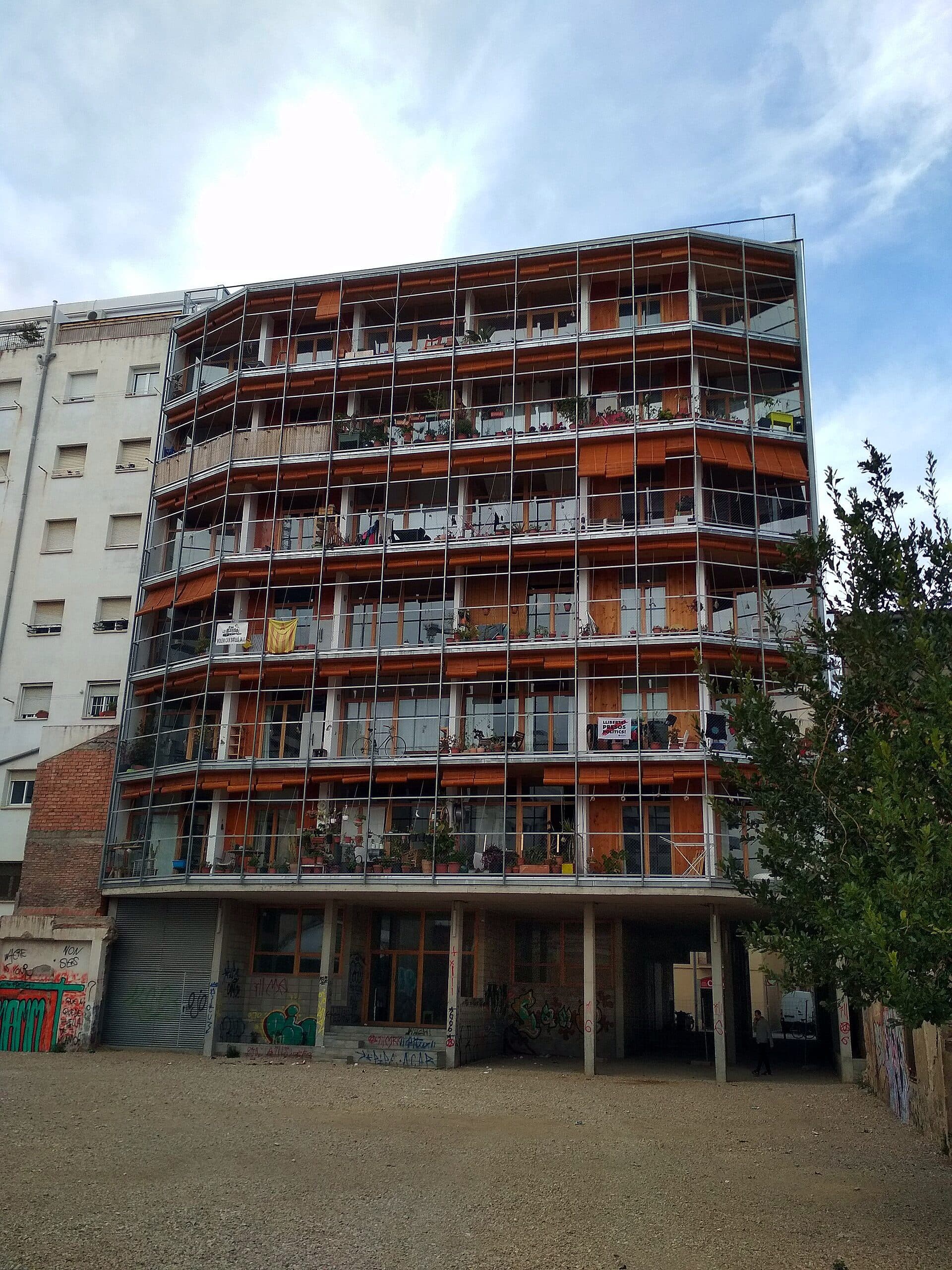

Real cooperatives in Spain, photographed on location. Full credits on our attributions page.
Overview of the Cooperative Sector in Spain
Spain is home to more than 20,000 cooperatives providing 300,000+ direct jobs, and one organization — the Mondragon Corporation — that has become the most studied example of cooperative capitalism at industrial scale anywhere in the world. Founded by Basque engineer-workers in 1956, Mondragon has grown into a federation of 85 cooperative companies with €12 billion in revenue (2022) and 80,000 worker-members spanning industry, retail, finance, and education.
Spanish cooperative law operates on two levels simultaneously. Law 27/1999 on Cooperatives is the national framework, while 17 regional cooperative laws run in parallel for cooperatives operating within a single autonomous community. The Basque Country (Euskadi) has the most developed framework — refined through decades of Mondragon-era experience to provide genuinely favorable conditions for cooperative formation, worker capital accounts, and multi-cooperative group structures.
Spanish agricultural cooperatives are economically dominant in two sectors: Dcoop (world's largest olive oil cooperative, 75,000 farmer-members, 300,000+ tonnes annually) represents the Andalusian olive oil model, while Anecoop (€700M+ turnover) leads Mediterranean citrus and vegetable export. In Champagne-equivalent wine, Valencian citrus, and Andalusian olive oil, cooperative marketing has given Spanish farmers competitive scale in global commodity markets.
Types of Cooperatives in Spain
Worker Cooperatives (Mondragon model)
Worker-members contribute a capital account (~€15,000), receive surplus allocations, and govern through one-member-one-vote assemblies. The Mondragon model uses cooperative group structures linking industrial, retail, financial, and educational cooperatives.
Agricultural Cooperatives
Dcoop (world's largest olive oil cooperative, 75,000 members) and Anecoop (€700M+ citrus/vegetable exports) demonstrate Spain's strength in agricultural marketing cooperatives. Wine cooperatives (bodegas cooperativas) are dominant in volume in La Mancha, Rioja, and Cava.
Housing Cooperatives (cooperativas de viviendas)
Developer cooperatives where future residents collectively commission construction, typically saving 15–25% vs. market prices. The Basque Country and Catalonia have pioneered permanent right-to-use housing cooperatives (cesión de uso) as an affordable housing model.
Notable Cooperatives in Spain
Mondragon Corporation
Worker Cooperative FederationFounded 1956 in the Basque Country by five engineers and a priest (José María Arizmendiarrieta). Today: 85 cooperative companies, €12B revenue (2022), 80,000 worker-members. Divisions: Industry (ULMA), Retail (Eroski), Finance (Laboral Kutxa), Knowledge (Mondragon Unibertsitatea).
Dcoop (formerly Hojiblanca)
Olive Oil / AgriculturalThe world's largest olive oil cooperative by volume, based in Antequera, Málaga. 75,000 farmer-members across Andalusia. Processes 300,000+ tonnes annually (~15% of Spain's output). Has developed its own consumer brands and direct retail supply capability.
Eroski
Retail Consumer CooperativeMondragon's retail division with 1,500+ store locations and a dual-member structure: both workers and consumer-customers are members with separate democratic assemblies. Consumer-members number 40,000+. Restructured after over-expansion debt from the 2000s.
Regulatory Framework
| Primary Legislation | Law 27/1999 on Cooperatives (national) + 17 regional cooperative laws (autonomous communities) |
| Regulator | CEPES (national social economy confederation) + regional cooperative registries |
| Key Year | 1999 |
| Notes | The Basque Country (Euskadi) has the most developed cooperative framework, refined through the Mondragon era to allow cooperative group structures and worker capital accounts. Cooperatives operating across multiple autonomous communities use the national Law 27/1999; those operating within one region use that region's law. |
How to Form a Cooperative in Spain
- 1
Determine applicable law: national (Law 27/1999, for multi-region operations) or regional law (for single-region cooperatives)
- 2
Assemble minimum founding members: 3 members for worker cooperatives, other minimums vary by type and regional law
- 3
Draft statutes (estatutos sociales) in accordance with the applicable law
- 4
Convene a founding general assembly (asamblea constituyente) and sign the cooperative constitution
- 5
Register with the relevant regional Registro de Cooperativas (Cooperative Registry)
- 6
Obtain tax identification number (NIF) from the Spanish Tax Agency (AGENCIA TRIBUTARIA)
- 7
For Basque cooperatives: register with the Registro de Cooperativas del País Vasco for access to the most favorable cooperative legal framework
Related Cooperative Sectors
Frequently Asked Questions — Cooperatives in Spain
What is the Mondragon Corporation?
Mondragon is a federation of 85 cooperative companies founded in the Basque Country in 1956. It has €12 billion in annual revenue (2022) and 80,000 worker-members. Worker-members contribute a capital account when joining, participate in cooperative governance through one-member-one-vote assemblies, and receive surplus allocations. The system includes industrial cooperatives (ULMA), supermarkets (Eroski), a cooperative bank (Laboral Kutxa), and a university (Mondragon Unibertsitatea).
What happened to Fagor in the Mondragon system?
Fagor Electrodomésticos — the original Mondragon cooperative that made appliances — filed for insolvency in 2013 after being undermined by cheap Asian competition and the collapse of Spanish housing construction. Its 1,900 worker-members lost their jobs. Mondragon's internal solidarity mechanisms had cross-subsidized Fagor for years, delaying restructuring decisions a shareholder-owned firm might have made sooner.
What is Dcoop?
Dcoop (formerly Hojiblanca) is the world's largest olive oil cooperative by volume, based in Antequera, Málaga. It has 75,000 farmer-members across Andalusia and processes over 300,000 tonnes of olive oil annually — approximately 15% of Spain's total output. Dcoop has developed its own consumer brands and direct retail supply capability beyond selling bulk commodity oil.
Learn More
Cooperatives in Spain — In-Depth Guide
History, legislation, notable organisations, and sector breakdowns.
Find Cooperatives in Spain
Browse 26,000+ cooperatives by sector, country, and size in our free directory.