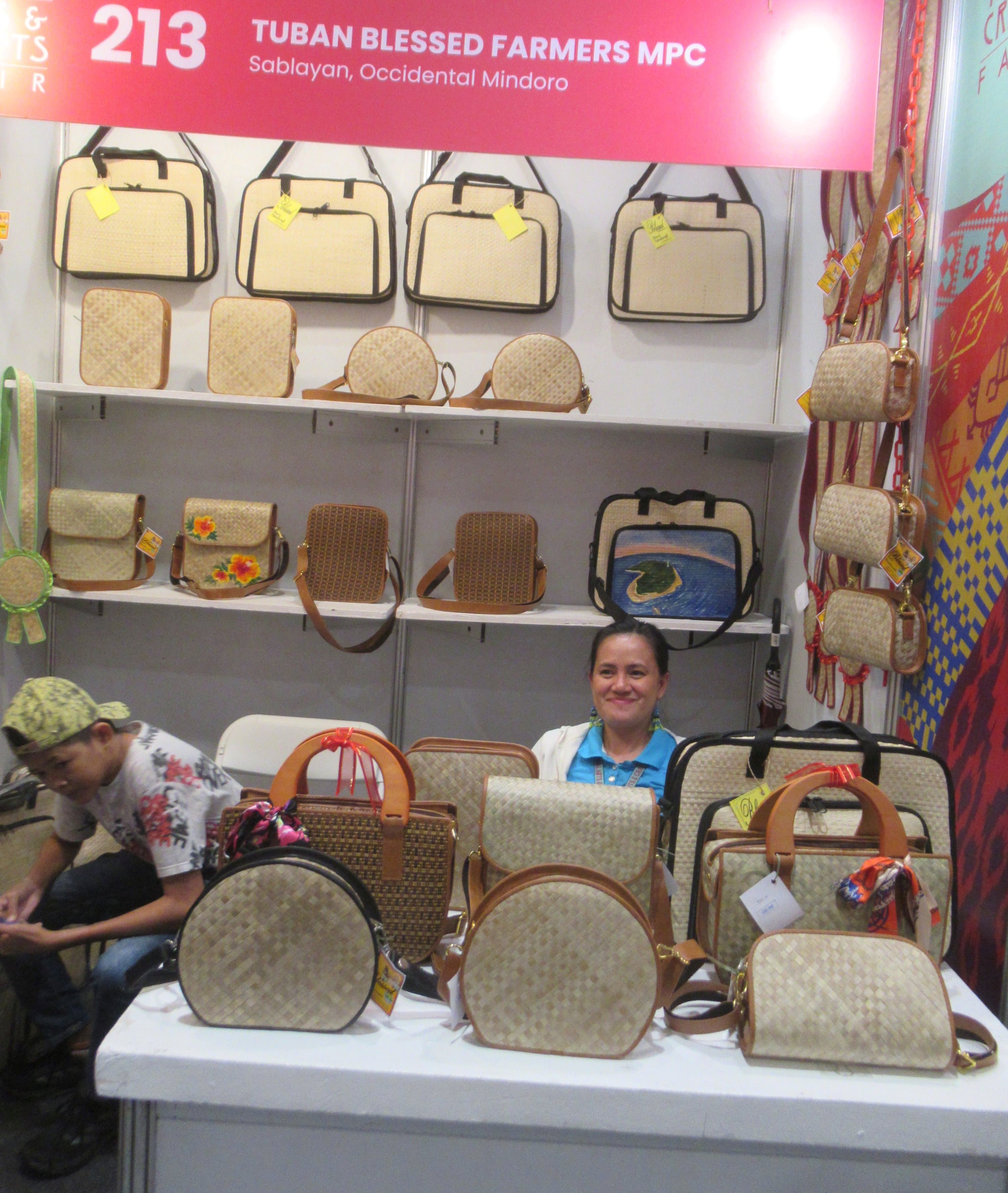
The Philippines has one of the highest cooperative participation rates in Asia, with more than 28,000 registered cooperatives serving over 15 million members across agriculture, energy, finance, transport, and housing.
| Indicator | Figure |
|---|---|
| Registered cooperatives | 28,000+ (CDA, 2023) |
| Total membership | 15M+ |
| Combined assets | ₱659 billion (approx.) |
| Primary regulator | Cooperative Development Authority (CDA) |
| Governing law | Republic Act 9520 (Philippine Cooperative Code, 2008) |
| Largest sector | Agricultural cooperatives |
| Electric cooperatives | 121 (under NEA) |
History of Cooperatives in the Philippines
Philippine cooperative history runs more than a century, shaped by colonial administration, economic necessity, and deliberate government policy.
The Compañia de los Pineros (1910)
The first recorded cooperative in the Philippines, the Compañia de los Pineros, was established in 1910 in Mountain Province. It was a timber cooperative — loggers pooling resources to harvest and sell lumber collectively. The structure was rudimentary by modern standards, but it established the precedent of member ownership and shared surplus.
Commonwealth and Post-War Legislation
Commonwealth Act 565 (1940) created the first formal legal framework for cooperatives, targeting agricultural credit. The Act authorised the formation of cooperative credit associations in rural areas and gave them access to government lending facilities.
After independence in 1946, cooperative development accelerated. The Agricultural Reform Code of 1963 (Republic Act 3844) used cooperatives as a mechanism for land reform, directing newly titled farmers into credit and marketing cooperatives.
The CDA Era (1990–present)
The Cooperative Development Authority (CDA) was created under Republic Act 6939 in 1990. Before the CDA, cooperative oversight was fragmented across multiple agencies — the Bureau of Cooperatives Development, the Agricultural Credit Administration, and others. The CDA consolidated all cooperative registration, regulation, and development under one body.
The CDA's establishment was a turning point. By bringing cooperatives under a single regulatory umbrella, the government made registration and compliance more straightforward and enabled systematic data collection on the sector.
Republic Act 9520 — The Philippine Cooperative Code (2008)
RA 9520, enacted on 17 February 2008, is the current governing law for cooperatives in the Philippines. It replaced the outdated Cooperative Code of 1990 (RA 6938) and introduced significant changes:
- Expanded categories of cooperative types
- Strengthened governance requirements (mandatory annual general assemblies, board term limits)
- Enhanced tax privileges for qualified cooperatives
- Required mandatory training for officers and members
- Established the Cooperative Education and Training Fund (CETF), requiring coops to allocate a percentage of net surplus to member education
RA 9520 also aligned Philippine cooperative law more closely with international standards set by the International Cooperative Alliance (ICA).
Regulatory Framework — The CDA and RA 9520
The Cooperative Development Authority is the central regulator for all cooperatives in the Philippines. Its core functions include:
- Registration — issuing Certificates of Registration to qualified cooperatives
- Supervision — monitoring compliance with RA 9520, auditing financial statements
- Development — providing technical assistance, training, and advisory services
- Education — administering cooperative education programs through the CETF
Registration Requirements
To register under the CDA, a cooperative must have at least 15 members (for primary cooperatives) or three primary cooperatives (for secondary cooperatives). Key documents include:
- Articles of Cooperation
- By-laws
- Economic survey
- List of members and their paid-up share capital
- Proof of pre-membership education seminar attendance
Pre-membership education is mandatory under RA 9520. All prospective members must complete a CDA-accredited seminar before the cooperative can be registered. This requirement distinguishes Philippine cooperative law from most other Asian jurisdictions.
TESDA Training Requirements
For cooperatives engaged in livelihood and skills-based activities, the Technical Education and Skills Development Authority (TESDA) mandates competency standards for key cooperative officers in sectors such as beauty care, food processing, and welding. TESDA and the CDA coordinate to ensure cooperative enterprises meet minimum skills standards.
Types and Sectors
Philippine cooperatives span nine legal types under RA 9520, but five sectors account for the bulk of membership and assets.
Agricultural Cooperatives — The Dominant Sector
Agricultural cooperatives are the most numerous in the Philippines, concentrated in rice, corn, coconut, sugar, and high-value crop production. They perform three main functions: supplying farm inputs at reduced cost, pooling produce for collective marketing, and providing credit to members between harvest cycles.
The government has historically used agricultural cooperatives as conduits for rural development programs. The Philippine Crop Insurance Corporation (PCIC) works with agricultural cooperatives to distribute crop insurance to smallholder farmers, many of whom cannot access insurance individually.
Electric Cooperatives — 121 Distribution Utilities
The Philippines has 121 electric cooperatives operating as distribution utilities, regulated by the National Electrification Administration (NEA) under Presidential Decree 269. These cooperatives supply electricity to approximately 10.3 million consumers, predominantly in rural and remote areas.
Unlike most cooperatives under the CDA, electric cooperatives have their own separate enabling law and regulator. However, many have re-registered under the CDA to access cooperative tax privileges. Notable electric cooperatives include:
- NORECO II (Northern Samar II Electric Cooperative) — serving Northern Samar province
- Palawan Electric Cooperative (PALECO) — the largest geographic coverage area in the country, serving mainland Palawan
Financial Cooperatives — Credit Coops and Multipurpose Coops
Credit cooperatives and multipurpose cooperatives with credit operations together represent the most financially significant segment of the sector. As of 2023, cooperatives collectively hold over ₱350 billion in loans outstanding.
FICCO (First Community Cooperative), based in Danao City, Cebu, is the largest credit cooperative in the Philippines by assets, with over ₱15 billion in total assets and more than 300,000 members. FICCO offers savings, loans, insurance, and remittance services — a full-service financial institution owned by its members.
Multipurpose cooperatives are the most common type registered with the CDA. They combine credit, marketing, and consumer functions under one entity, which suits the Philippines' rural communities where a single cooperative often serves as the only financial and commercial institution in a barangay.
Transport Cooperatives
The Philippines has a substantial transport cooperative sector, particularly in jeepney and tricycle operations. Transport cooperatives give individual operators negotiating power with fuel suppliers and government regulators, and in recent years they have been used as vehicles for the Public Utility Vehicle (PUV) Modernisation Programme — the government initiative to replace aging jeepneys with Euro 4-compliant vehicles.
Housing Cooperatives
Housing cooperatives in the Philippines operate under RA 9520 and also benefit from programs administered by the Social Housing Finance Corporation (SHFC). The Community Mortgage Programme (CMP) frequently works through housing cooperatives to extend collective land tenure and housing loans to informal settler families.
Notable Cooperatives
| Cooperative | Sector | Members | Key Fact |
|---|---|---|---|
| FICCO (First Community Cooperative) | Financial | 300,000+ | Largest credit coop by assets (₱15B+) |
| CLIMBS Life and General Insurance Cooperative | Insurance | — | Only cooperative-owned insurer in PH |
| NORECO II | Electric | ~80,000 consumers | Northern Samar distribution utility |
| PALECO | Electric | Largest by area | Covers mainland Palawan |
| Tagum Agricultural Development Company (TADECO) | Agricultural | — | Major banana export coop |
CLIMBS (Cooperative Life Mutual Benefit Services), based in General Santos City, is the only cooperative-owned insurance company in the Philippines. It provides life, health, and general insurance products exclusively to cooperative members and their families — roughly 3 million covered lives.
Tax Privileges Under RA 9520
Qualifying cooperatives in the Philippines receive significant tax exemptions under RA 9520. The privileges are tiered based on paid-up share capital and whether the cooperative transacts with members only or with the general public.
| Category | Key Tax Privileges |
|---|---|
| Cooperatives transacting with members only | Exempt from income tax, VAT, percentage tax, documentary stamp tax |
| Cooperatives transacting with non-members | Exempt on income derived from member transactions; taxed on non-member income |
| All cooperatives | Exempt from local taxes for the first 10 years; CDA-registered |
These privileges are conditional on compliance with CDA reporting requirements. Cooperatives that fail to submit annual reports or financial statements can have their tax exemptions suspended.
The Bureau of Internal Revenue (BIR) and the CDA jointly oversee compliance. Several Supreme Court decisions — including CIR v. Agrinurture Inc. — have clarified the scope of cooperative tax exemptions, reinforcing that income derived from activities directly related to cooperative purposes remains exempt.
Challenges Facing Philippine Cooperatives
Capitalization
Most Philippine cooperatives are undercapitalised. The average paid-up share capital for primary cooperatives remains low, limiting their ability to extend credit, invest in equipment, or weather financial shocks. RA 9520 raised minimum capital requirements but enforcement is uneven.
Governance and Financial Literacy
Many cooperatives — particularly small agricultural and multipurpose coops in rural areas — struggle with weak governance. Board members are often elected on personal relationships rather than competence. The mandatory CETF requirement was designed to address this, but actual education spending often falls short of the required allocation.
The CDA's annual reports consistently identify financial literacy as the sector's most persistent structural weakness.
Dormancy and Non-Compliance
The CDA estimates that a significant proportion of registered cooperatives are either dormant or non-compliant with reporting requirements. Of 28,000+ registered cooperatives, a meaningful number have not submitted financial statements in three or more years. The CDA has run several amnesty programs to bring these cooperatives back into compliance or formally dissolve them.
Frequently Asked Questions
How many cooperatives are there in the Philippines?
The Cooperative Development Authority (CDA) reports more than 28,000 registered cooperatives in the Philippines as of 2023. Total membership exceeds 15 million, making the Philippines one of the most cooperative-intensive economies in Southeast Asia.
What law governs cooperatives in the Philippines?
Republic Act 9520, the Philippine Cooperative Code of 2008, is the primary law. It covers registration, governance, tax privileges, and the rights and obligations of members and officers. Electric cooperatives have additional oversight under Presidential Decree 269 via the National Electrification Administration (NEA).
What is the CDA in the Philippines?
The Cooperative Development Authority (CDA) is the government agency responsible for registering, regulating, and developing cooperatives in the Philippines. It was created by RA 6939 in 1990 and draws its current mandate from RA 9520. The CDA issues Certificates of Registration and monitors ongoing compliance.
How do I register a cooperative in the Philippines?
You need a minimum of 15 founding members who have completed a pre-membership education seminar. Required documents include Articles of Cooperation, by-laws, an economic survey, and proof of paid-up share capital. These are filed with the CDA regional office covering your area. The CDA processes registration within 30 days of complete submission.
Are cooperatives tax-exempt in the Philippines?
Cooperatives that transact exclusively with members are fully exempt from income tax, VAT, percentage tax, and documentary stamp tax under RA 9520. Cooperatives that also transact with non-members pay taxes only on the non-member portion of their income. Tax privileges require CDA registration and current compliance with annual reporting requirements.
What is the largest cooperative in the Philippines?
By assets, FICCO (First Community Cooperative) in Cebu is the largest credit cooperative in the Philippines, with over ₱15 billion in total assets and more than 300,000 members. By number of consumers served, electric cooperatives such as PALECO (Palawan) and NORECO II (Northern Samar) are among the most significant.
What sectors do Philippine cooperatives operate in?
Philippine cooperatives operate across agriculture (rice, corn, coconut, banana), electric distribution, financial services (credit and multipurpose coops), transport (jeepney and tricycle operators), housing, and insurance. Agricultural cooperatives are the most numerous; financial cooperatives hold the largest share of total assets.
What are the challenges facing cooperatives in the Philippines?
The three main challenges are undercapitalisation (most coops have limited share capital), weak governance (boards lacking financial management skills), and high dormancy rates (many registered cooperatives are inactive). The CDA has responded with stricter reporting enforcement and amnesty programs to clean up the registry.
Related Articles
References & further reading
This guide is researched against primary sources. Where we cite figures, they reflect the most recent data published by these organisations at the time of writing.
- 1.Facts & figures on the cooperative movement — International Cooperative Alliance
- 2.Cooperatives and the world of work — International Labour Organization
Find Cooperatives Worldwide
Browse 26,000+ cooperatives by sector and country in our free directory.