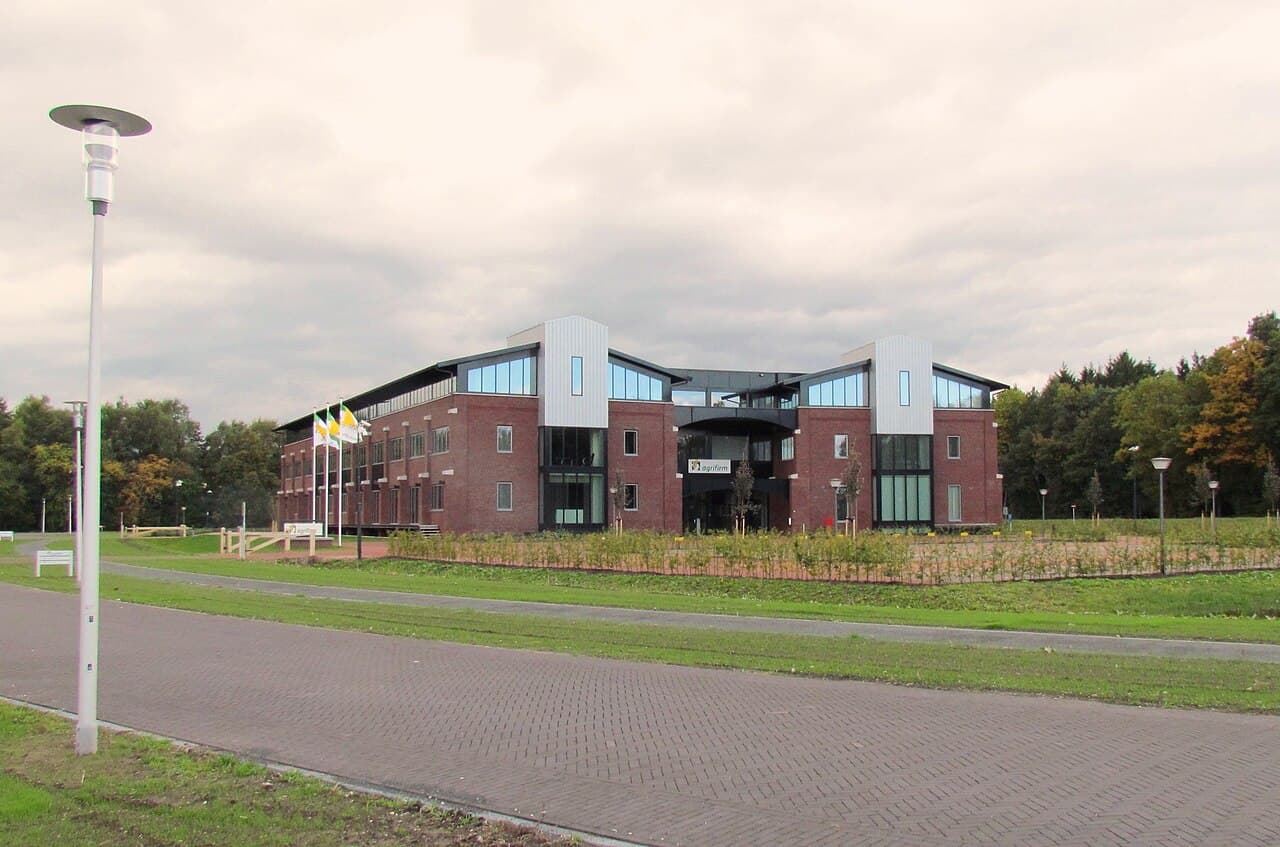
The Netherlands hosts some of the world's most powerful cooperatives relative to the size of its economy. Rabobank, a farmer-originated banking cooperative now serving 10 million members across 38 countries, is among the world's twenty largest financial institutions. FrieslandCampina, a dairy cooperative owned by 14,000 member farms, is the fifth-largest dairy company in the world by revenue. Cosun, owned by 6,700 sugar beet farmers, is one of Europe's leading agrifood cooperatives. These are not niche organisations — they are dominant market participants in global food and finance. The Dutch cooperative tradition, rooted in nineteenth-century Protestant and Catholic reform movements as well as agricultural necessity, produced institutions of extraordinary scale and durability.
Cooperative Sector Overview
The Netherlands has approximately 2,000–2,500 registered cooperatives, but the economic weight is concentrated in a small number of very large entities. Dutch agriculture — intensively productive on very limited land — has always depended on cooperation: individual Dutch farmers, operating on polders often below sea level, needed collective infrastructure from the start. Cooperative dairies, auction houses, and supply chains built the Dutch agri-food export machine, which consistently makes the Netherlands the world's second-largest agricultural exporter by value (behind only the United States, and ahead of far larger countries).
| Metric | Figure |
|---|---|
| Rabobank members | 10 million |
| FrieslandCampina members | 14,000 farmer owners |
| FrieslandCampina revenue | €13–14 billion |
| Cosun member beet farmers | 6,700 |
| Dutch cooperative GDP contribution | ~10% (estimated) |
| Primary legislation | Burgerlijk Wetboek (Civil Code), Book 2 |
| Apex body | NCR (Nationale Coöperatieve Raad) |
The Netherlands' success with cooperatives reflects a specific cultural context: the Dutch tradition of overleg (consultation and consensus-building) and the physical reality that water management in a country largely below sea level has always required collective action. This cultural infrastructure supported the cooperative model's adoption in agriculture, finance, and community services.
Key Cooperative Sectors
Financial Services: Rabobank
Rabobank is the defining case study for large-scale cooperative banking. Founded as two separate agricultural credit cooperative organisations — the Coöperatieve Centrale Raiffeisen-Bank in Utrecht and the Coöperatieve Centrale Boerenleenbank in Eindhoven — these merged in 1972 to form Rabobank. Their Raiffeisen and Boerenleenbank traditions both trace to the German cooperative banking movement of the 1860s–1880s (Friedrich Wilhelm Raiffeisen and Hermann Schulze-Delitzsch) — for that full story, see Cooperatives in Germany.
Today Rabobank is a cooperative bank with 10 million members worldwide, primarily in the Netherlands but with significant operations across the Americas, Australia, and Asia in food and agricultural financing. Rabobank's member-local bank structure — 89 local Rabobanks that are members of the central Rabobank organisation — gives it a federated cooperative character. Local banks handle retail customers; the central organisation handles wholesale banking, international operations, and capital market activities.
Rabobank holds a triple-A credit rating for most of its existence (one of the few large banks globally to do so) because its cooperative structure means it does not pay dividends to outside shareholders, enabling substantial capital retention. It is the Netherlands' largest mortgage lender and the primary bank for Dutch food and agriculture businesses.
Dairy: FrieslandCampina
FrieslandCampina was created in 2008 through the merger of Friesland Foods and Campina, themselves products of earlier dairy cooperative mergers. The resulting cooperative is owned by Zuivelcoöperatie FrieslandCampina U.A., which has approximately 14,000 member dairy farms in the Netherlands, Germany, and Belgium.
FrieslandCampina is the world's fifth-largest dairy company by revenue. It produces and markets branded dairy products including Friesche Vlag, Campina, Optimel, Chocomel, Dutch Lady (Asia), and many others. It processes approximately 9 billion kilograms of milk per year and operates in over 100 countries.
The cooperative structure means that member farms receive a "milk price" — a guaranteed base payment per kilogram of milk — plus a "performance payment" based on FrieslandCampina's commercial results. The trade-off is that member farms must supply all their milk to FrieslandCampina and have limited ability to exit without redemption penalties, which some Dutch dairy farmers have found constraining.
Sugar: Cosun
Cosun (previously Suiker Unie/CSM cooperative) is the agricultural cooperative owned by approximately 6,700 Dutch sugar beet farmers. It is one of Europe's largest sugar companies, operating beet sugar processing plants in the Netherlands and Belgium, with total revenues around €2 billion. Beyond sugar, Cosun has diversified into food ingredients including pectin, potato products, and food biochemistry through subsidiaries.
Sugar beet cooperatives have a long history in the Netherlands — the first beet sugar cooperative was established in the 1880s. Cosun demonstrates the durability of farmer-owned processing cooperatives even in commoditised sectors facing competition from sugar cane imports and EU sugar regulation reform.
Horticultural Auctions: Royal FloraHolland
Royal FloraHolland is the world's largest flower and plant auction, handling over 12 billion flowers and plants annually. It is owned by approximately 3,000 Dutch grower-members and operates the famous flower auction halls at Aalsmeer and Naaldwijk. The clock auction system — where prices start high and fall until a buyer accepts — was developed by Dutch horticultural cooperatives and is now the global benchmark for fresh flower pricing.
Royal FloraHolland's annual turnover exceeds €4.5 billion. Members are primarily Dutch greenhouse growers, though international membership has expanded as growers from Kenya, Ethiopia, Ecuador, and Colombia participate in the cooperative as associate members to access the auction infrastructure.
Consumer Cooperatives
The Netherlands has a smaller consumer cooperative sector than Scandinavia. Coop operates a supermarket chain (Coop supermarkets, not affiliated with the British or Swedish Coop) that is one of the smaller but still significant food retail chains in the Netherlands. The Dutch retail market is dominated by Albert Heijn (investor-owned), Jumbo (investor-owned), and Lidl/Aldi. Dutch consumer cooperative retail has not achieved the scale of KF in Sweden or The Co-op in the UK.
Legal Framework
Burgerlijk Wetboek, Book 2
Dutch cooperatives are governed by Book 2 of the Burgerlijk Wetboek (Civil Code), specifically Articles 53–63, which define the coöperatie as a legal entity. Unlike some countries that have a separate Cooperative Law, the Netherlands integrates cooperative regulation into the general civil code.
Key provisions:
- A cooperative must be an association of members working for the material benefit of members through agreements (contract) with the cooperative
- Liability types: Dutch cooperative law distinguishes between U.A. (Uitgesloten Aansprakelijkheid — excluded liability, members not personally liable), B.A. (Beperkte Aansprakelijkheid — limited liability), and W.A. (Wettelijke Aansprakelijkheid — statutory liability). Most large Dutch cooperatives are W.A. or U.A.
- Formation requires at least two members and a notarial deed
- The Algemene Vergadering (General Meeting) is the supreme governance body
- A Raad van Bestuur (Executive Board) manages operations
- A Raad van Commissarissen (Supervisory Board) provides oversight in larger cooperatives
The Dutch Civil Code approach is flexible: cooperatives can set their own governance arrangements within the statutory framework. This flexibility has allowed Rabobank and FrieslandCampina to develop sophisticated governance structures appropriate for their international scale.
Financial Regulation
Rabobank is regulated as a bank by De Nederlandsche Bank (DNB), the Dutch central bank, and supervised under EU banking regulation (CRD/CRR). Because of its cooperative structure, Rabobank's capital structure is built primarily on retained earnings and cooperative capital certificates (Rabobank Certificates, listed on Euronext) rather than ordinary shares.
FrieslandCampina and other agricultural cooperatives are not subject to financial services regulation in the way banks are. Their financial reporting is regulated by Dutch accounting standards (Dutch GAAP/IFRS for large entities).
Merger Control
The Netherlands Competition Authority (ACM, Autoriteit Consument en Markt) applies EU competition law and Dutch competition law to cooperatives. The FrieslandCampina merger in 2008 required EU Commission approval. Royal FloraHolland's auction practices are monitored for potential market dominance effects given its near-monopoly position in European flower trading.
Major Cooperatives
Rabobank
Founded: 1972 (from Raiffeisen and Boerenleenbank traditions dating to 1898) Members: 10 million Total assets: €700+ billion Sector: Banking (retail, wholesale, agricultural finance)
Rabobank is the Netherlands' leading food and agricultural bank globally. It provides farm financing, trade finance, project finance, and rural mortgages in more than 38 countries. In the Netherlands, it is the largest mortgage lender and a major small business bank. Its cooperative structure — where local Rabobanks are member-owners of the central cooperative — gives it resilience and community rootedness that investor-owned banks often lack.
FrieslandCampina
Founded: 2008 (merged from Friesland Foods 1879 cooperative tradition and Campina 1879 cooperative tradition) Members: 14,000 dairy farmer-owners Revenue: €13–14 billion Sector: Dairy processing and branded products
FrieslandCampina is the Netherlands' largest food company and one of the world's largest dairy processors. Its cooperative governance involves a Member Council of 250 elected farmer representatives, a Supervisory Board, and an Executive Board. Member farmers supply approximately 9 billion kg of milk annually.
Cosun
Founded: 1899 (from Nederlandsche Suikermaatschappij cooperative tradition) Members: 6,700 sugar beet farmers Revenue: ~€2 billion Sector: Sugar, food ingredients, potato processing
Cosun operates sugar factories in Dinteloord and Vierverlaten in the Netherlands and in Tienen, Belgium. Its diversified portfolio (under the Duynie, Aviko, and other brands) provides more stable earnings than sugar alone. Member beet farmers receive payments based on sugar content of their beet and Cosun's commercial results.
Royal FloraHolland
Founded: 1911 (as Bloemenlust cooperative; Royal FloraHolland merger 2008) Members: ~3,000 growers Revenue: €4.5+ billion (auction turnover) Sector: Flower and plant auction / logistics
Royal FloraHolland operates the world's largest flower auctions at Aalsmeer and Naaldwijk. Beyond the physical auction, it provides logistics (Floriday digital trading platform), quality inspection, and market access services to international growers. The Aalsmeer flower auction building is one of the largest commercial buildings in the world.
Coop Supermarkten
Founded: 1892 (various regional origins) Members: ~300 independent supermarket operators Revenue: ~€1.7 billion Sector: Food retail
Coop in the Netherlands operates as a cooperative of independent supermarket owners — a retail cooperative rather than a consumer cooperative. Individual supermarket operators join Coop to access central purchasing, the Coop brand, and logistics. This structure competes with investor-owned franchise chains. Coop has approximately 300 stores, primarily in smaller Dutch towns.
Challenges and Opportunities
FrieslandCampina Member Tensions
Dutch dairy farmers have periodically challenged FrieslandCampina's governance and milk pricing. In 2017, following several years of low milk prices, a member initiative group pushed for governance reforms and greater transparency in the milk price calculation methodology. The tension between the cooperative as a farmer service organisation (maximise milk price) and as a commercial company (retain capital for investment) is unresolved. Some Dutch farmers have left FrieslandCampina for competing processors, though the cooperative remains dominant.
Rabobank's Capital and Identity
Rabobank has grown far beyond its Dutch agricultural credit origins. International operations in the US (Rabo AgriFinance), Australia, Brazil, and elsewhere serve large agribusiness clients who bear no cultural connection to Dutch cooperative banking. Maintaining a genuine cooperative identity and governance culture across a €700 billion institution with operations in 38 countries is a governance challenge with no easy solution.
Environmental Pressure on Dutch Agriculture
The Netherlands' agricultural sector faces extreme environmental pressure: nitrogen emissions from livestock farming have triggered legal action under EU habitat law, forcing the government to buy out thousands of livestock farms near protected nature areas. This directly threatens the membership base of FrieslandCampina and Cosun (for beet) — smaller membership means lower milk/beet volumes, which affect the economics of cooperative processing infrastructure. Dutch agricultural cooperatives must navigate an existential environmental transition.
Digital Auction Disruption
Royal FloraHolland faces competition from digital flower trading platforms and direct B2B sales that bypass the auction. Kenyan and Ethiopian flower exporters increasingly explore direct e-commerce channels. FloraHolland has invested in the Floriday digital marketplace to remain relevant, but the clock auction's dominance is less absolute than it was a decade ago.
Related Articles
References & further reading
This guide is researched against primary sources. Where we cite figures, they reflect the most recent data published by these organisations at the time of writing.
- 1.Facts & figures on the cooperative movement — International Cooperative Alliance
- 2.Cooperatives and the world of work — International Labour Organization
Find Cooperatives Worldwide
Browse 26,000+ cooperatives by sector and country in our free directory.