Farm cooperatives are farmer-owned organisations that help members buy inputs at lower cost, process raw crops into higher-value products, market produce collectively, or share expensive services — returning the economic benefit to the farmers themselves instead of to outside investors. Farm cooperatives are a core form of agricultural cooperative and operate under the same cooperative principles that guide the broader movement. In the United States alone, the USDA counts 1,620+ agricultural cooperatives generating over $260 billion in combined revenue, making farming one of the most thoroughly cooperative sectors in any economy.
Farm Cooperatives at a Glance
| Type | What It Does | Examples | Members |
|---|---|---|---|
| Supply cooperative | Sells inputs (seed, fertiliser, fuel) to members | CHS Inc., Land O'Lakes | Thousands of farms |
| Marketing cooperative | Markets and sells members' crops collectively | Ocean Spray, Sunkist | 700–6,000 farms |
| Processing cooperative | Processes raw produce into value-added products | Dairy Farmers of America, Blue Diamond | Hundreds to thousands |
| Service cooperative | Provides shared services (transport, storage, equipment) | Many regional coops | Varies |
| Federated cooperative | Cooperative of cooperatives | CHS Inc., Land O'Lakes | Member cooperatives |
The Full Range of Farm Cooperative Types
Supply Cooperatives
Supply cooperatives — sometimes called farm input cooperatives — buy seeds, fertiliser, pesticides, fuel, and equipment at bulk prices and sell them to farmer-members, passing the discount back to members rather than pocketing it as profit.
CHS Inc. is the largest US agricultural cooperative by revenue. Based in Inver Grove Heights, Minnesota, CHS is a federated cooperative — its members are other cooperatives and direct farmer-members — with revenues exceeding $40 billion annually. CHS trades grain, sells crop inputs, and runs one of the largest oil refineries in the US, making it unusual in combining agricultural supply with energy.
Land O'Lakes operates a similar supply function alongside its dairy processing business. Through its subsidiary Winfield United, Land O'Lakes provides agronomic services, crop protection products, and precision agriculture tools to farmers across the US.
Marketing Cooperatives
Marketing cooperatives handle the selling of members' products — negotiating contracts with buyers, building brands, and distributing finished goods without requiring individual farmers to handle sales themselves.
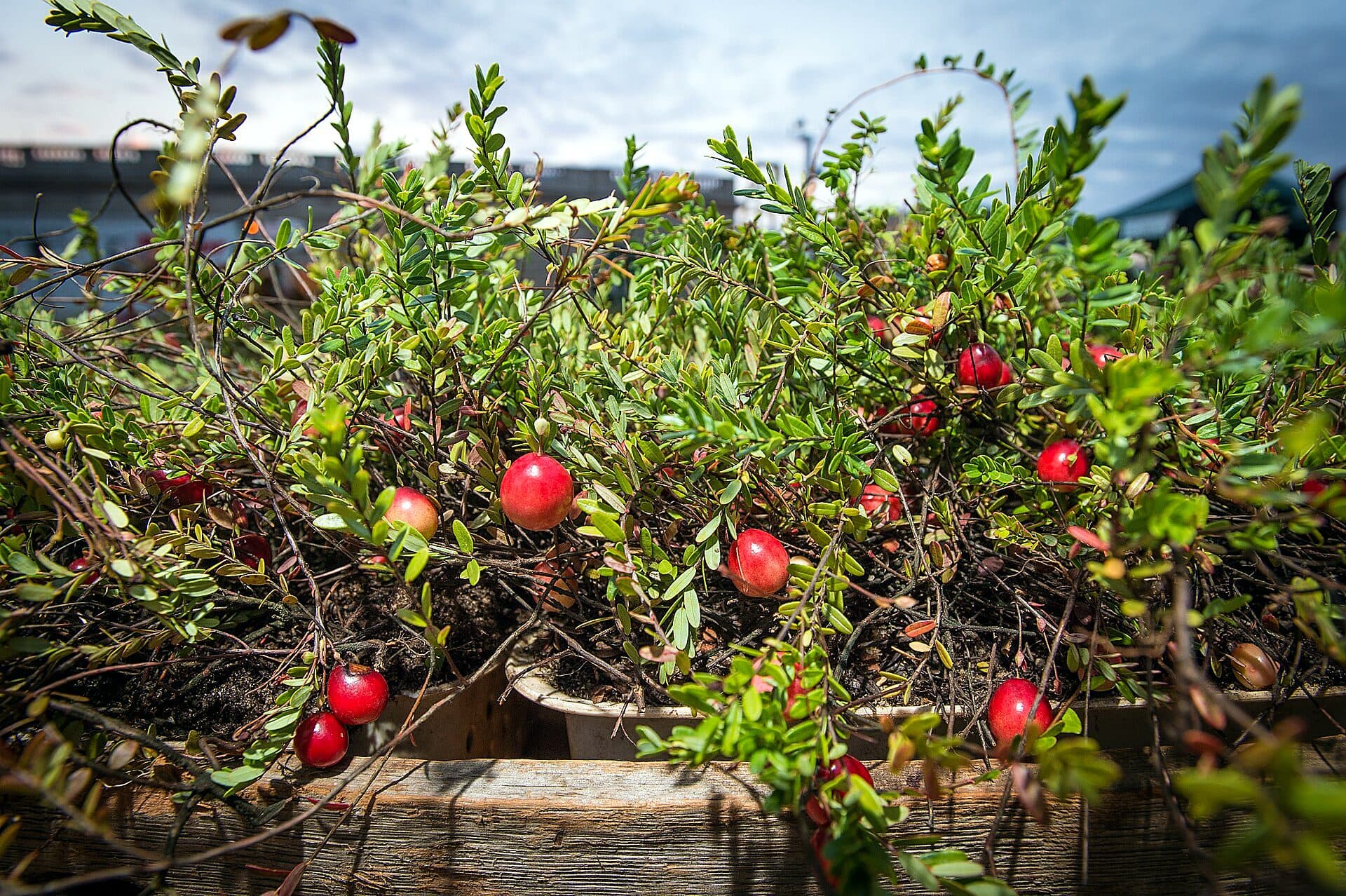
Ocean Spray is among the most recognised agricultural cooperative brands in the world. Its 700 cranberry and grapefruit growers from the US, Canada, and Chile collectively own the cooperative and the brand. Ocean Spray generated revenues of approximately $2.7 billion in recent years. Its marketing reach — from supermarket shelves in North America to international exports — would be impossible for any individual cranberry grower.
Sunkist Growers represents approximately 6,000 citrus growers in California and Arizona. Founded in 1893, Sunkist is one of the oldest and most successful agricultural marketing cooperatives in the world. The Sunkist brand appears on oranges, lemons, and grapefruits sold in 40+ countries, all owned by the farming families who grow the fruit.
Blue Diamond Growers serves 3,000 California almond growers. Almonds are California's largest agricultural export, and Blue Diamond controls about a third of world almond supply, giving its member growers substantial market influence.
Processing Cooperatives
Processing cooperatives add value to raw agricultural products before sale, capturing the margin between raw commodity and finished product for farmers rather than for processors.
Dairy Farmers of America (DFA) processes milk into cheese, butter, fluid milk, and ingredients across 60+ manufacturing facilities. Its 11,000 farmer-members receive not just a farm-gate price for raw milk, but also a share of the processing margin — a significant addition over time.
AMUL in India is the world's most cited example of integrated cooperative processing. The cooperative collects milk from 3.6 million farmers across Gujarat, processes it into branded products (butter, cheese, ice cream, infant formula), and distributes nationally under the AMUL brand. Each step captures margin that previously went to private processors and traders.
Service Cooperatives
Service cooperatives provide shared infrastructure or services that would be too expensive for individual farms. These include grain elevators, cold storage, equipment pools, transport fleets, and custom farming services.
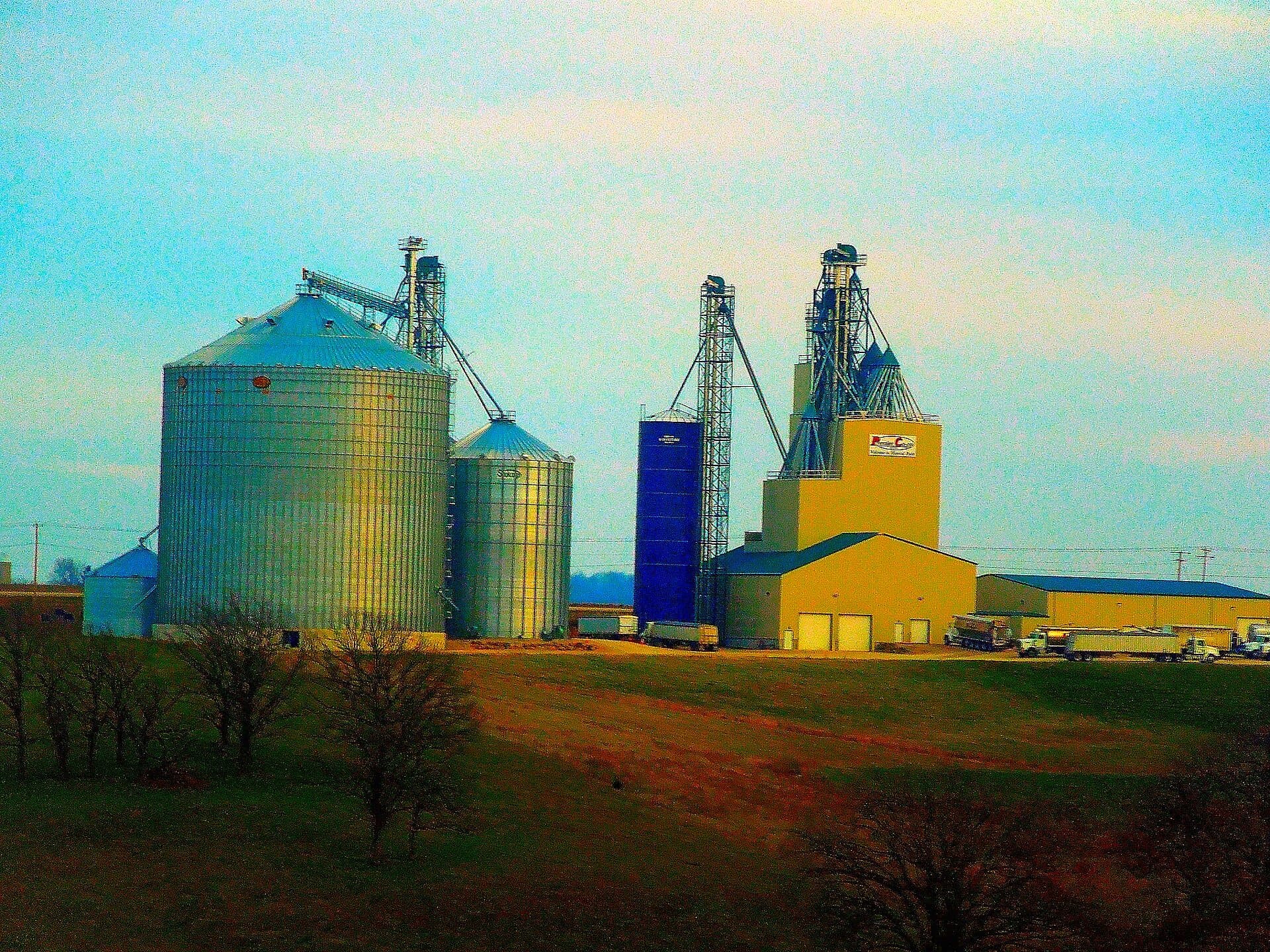
Many US county-level grain cooperatives operate grain elevators — facilities that store, dry, and load grain — that no individual farm could justify building alone. Farmers deliver their grain to the cooperative elevator, which handles storage, drying, blending, and eventual sale to terminals or processors.
Rural electric cooperatives began as service cooperatives, extending electricity to farming areas that private utilities ignored. The 832 rural electric cooperatives in the US still serve 42 million Americans, most in agricultural areas.
Federated Cooperatives
Federated cooperatives are cooperatives whose members are other cooperatives rather than individual farmers. This structure allows local cooperatives to maintain grassroots member control while gaining the scale benefits of a national organisation.
Land O'Lakes is a federated cooperative — its member-owners include approximately 1,700 local cooperatives and direct farmer-members. The local cooperatives handle day-to-day member relationships and services; Land O'Lakes provides national marketing, processing, and supply at scale.
Cooperative Farming vs Contract Farming
Cooperative farming and contract farming are often confused. They are fundamentally different arrangements:
| Dimension | Cooperative Farming | Contract Farming |
|---|---|---|
| Ownership | Farmers own the cooperative | Processor/buyer owns the contract |
| Who controls decisions | Farmer-members vote | Contracting company specifies requirements |
| Price setting | Cooperative negotiates collectively | Company sets price in advance |
| Risk bearing | Shared among members | Largely shifted to the farmer |
| Profit distribution | Returns to farmer-members | Profit goes to contracting company |
| Legal structure | Incorporated cooperative | Contractual relationship |
In contract farming, a processing or export company contracts with individual farmers to grow specific crops to specific standards at a pre-set price. The farmer has certainty of sale but little control. In cooperative farming, farmers collectively own the marketing and processing function — they negotiate the terms, not a contracting company.
Both models can coexist. Some cooperatives also enter supply contracts with processors on behalf of their members, getting the certainty of contract pricing while maintaining collective negotiating power.
Cooperative Farming vs Collective Farming
Cooperative farming and collective farming are two terms that describe very different things:
Cooperative farming means farmers own their individual land and farms but work together through a cooperative organisation to buy inputs, market produce, or share services. Each farmer retains title to their property and makes their own production decisions. The AMUL dairy cooperative, CHS grain cooperative, and Ocean Spray cranberry cooperative are all examples of cooperative farming.
Collective farming — as practised in Soviet-era USSR (kolkhoz) or Maoist China — involved the state pooling land and requiring farmers to work collective plots, surrendering individual ownership. Returns were distributed by the state, not by member vote. This was a political-economic system imposed by governments, not a voluntary member-owned organisation.
Modern farm cooperatives in market economies are cooperative farming, not collective farming. Farmers retain private land ownership and voluntary membership.
The US Farm Cooperative Sector
The USDA Economic Research Service publishes the most detailed data on farm cooperatives in the world. Key figures from recent years:
| Metric | Figure |
|---|---|
| Number of agricultural cooperatives | 1,620+ |
| Combined revenue | $260+ billion |
| Net income (combined) | ~$4 billion |
| Members | ~2 million farm operations |
| Employees | ~200,000 |
Agricultural cooperatives are most concentrated in dairy (midwest), grain (great plains), fruit and vegetable (California), and farm supply (nationwide). The five largest US ag cooperatives by revenue are CHS Inc., Land O'Lakes, Dairy Farmers of America, Growmark, and Ag Processing Inc.
The cooperative share of US agricultural markets is substantial: cooperatives handle approximately 30% of farm commodity sales and more than 25% of farm supply purchases.
Farm Cooperatives Around the World
India
India has over 850,000 cooperatives, the majority agricultural. Beyond AMUL's dairy network, India has:
- Sugar cooperatives — Maharashtra's sugar cooperatives process a large share of India's 35-million-tonne annual sugar production
- Cotton cooperatives — Mahalaxmi Cotton Cooperative and others in Gujarat
- Fisheries cooperatives — state-level federations serving millions of coastal fishermen
The National Cooperative Development Corporation (NCDC) funds and promotes cooperative development across agricultural sectors.
More on cooperatives in India →
Canada
Federated Co-operatives Limited (FCL) is a wholesale cooperative owned by 160+ local cooperatives across western Canada. It operates petroleum refineries, food processing, and wholesale distribution. The Co-op retail network reaches 1.5 million members across the prairies.
La Coop fédérée in Quebec is a federated agricultural cooperative covering grain, pork, dairy, and farm supply, with revenues over C$3 billion.
Europe
Coop de France represents 2,400 cooperatives with 3 million farmer-members and combined revenues exceeding €90 billion — around 40% of French agricultural production is marketed through cooperatives.
In the Netherlands, Agrifirm and ForFarmers supply feed and inputs to Dutch livestock farms. The Netherlands has one of the most cooperative-intensive agricultural sectors in Europe, with cooperatives controlling large shares of dairy, flower, and vegetable markets.
Kenya
Kenya's agricultural cooperative sector covers coffee, tea, dairy, and pyrethrum. Kenya Cooperative Creameries (KCC), now restructured as New KCC, is the main dairy processor. Kenya Planters Cooperative Union (KPCU) has historically marketed coffee.
More than 5,000 agricultural cooperatives are registered in Kenya, serving millions of smallholder farmers across the country's highlands.
More on cooperatives in Kenya →
Tax Advantages of Farm Cooperatives
Farm cooperatives in the United States receive favourable federal tax treatment that incentivises their formation. For a comprehensive overview of how cooperative taxation works, see cooperative taxation.
- Subchapter T of the Internal Revenue Code allows cooperatives to deduct distributions to members (patronage dividends) from taxable income, effectively eliminating double taxation on profits returned to farmers
- Qualified patronage dividends paid in cash are deductible in the year paid; dividends paid in equity (retained in the cooperative) are deductible when eventually paid out in cash
- Members pay income tax on their patronage dividends at the individual rate, but the cooperative itself pays no tax on amounts distributed
This treatment means that a farmer cooperative's margins are taxed once (in the farmer's hands) rather than twice (at the corporate level then again when distributed). Combined with state-level cooperative incorporation laws that also provide benefits, the tax structure strongly supports cooperative formation in agriculture.
How to Start a Farm Cooperative
Starting a farm cooperative is a multi-year commitment requiring legal, financial, and organisational work:
- Identify the need — what specific problem are you solving? High input costs? No local grain elevator? No cold storage for vegetables? Start with one clear purpose.
- Recruit founding members — you need a core group (typically 10–30 farmers) who face the same problem, have enough combined volume or purchasing power to make a cooperative viable, and are willing to invest time and capital
- Conduct a feasibility study — how much volume can you aggregate? What is the infrastructure cost? What prices can you negotiate? What is the break-even?
- Hire a cooperative development specialist — the USDA Rural Development network in the US, and equivalent agencies in other countries, fund feasibility studies and provide technical assistance
- Draft articles and bylaws — covering governance structure, membership criteria, voting rights, patronage distribution, and capital structure
- Incorporate under cooperative law — most US states have cooperative incorporation statutes; choose the structure that fits your tax and governance needs
- Capitalise — members buy shares; the USDA Rural Cooperative Service offers loan programmes for agricultural cooperatives
- Hire management — strong management is the single biggest predictor of cooperative success; the board sets strategy, professional managers run operations
- Launch operations — start with the core service, prove it works, then expand
The USDA publishes detailed guides on starting agricultural cooperatives. State-level cooperative development centres at universities (particularly in the Midwest) provide free technical assistance.
FAQ
What is a farm cooperative?
A farm cooperative is a business owned and controlled by the farmers who use it. Members supply the cooperative with their products or purchase inputs through it, and the economic benefits — lower costs, better prices, processing margins — return to the farmer-members in proportion to their participation. The cooperative is governed democratically: one member, one vote, regardless of farm size.
What are the main types of farm cooperatives?
The main types are supply cooperatives (selling inputs to farmers), marketing cooperatives (selling farmers' products), processing cooperatives (converting raw produce to value-added products), service cooperatives (shared equipment, storage, transport), and federated cooperatives (cooperatives of local cooperatives). Many agricultural cooperatives combine multiple functions — Land O'Lakes, for example, does supply, processing, and marketing.
How is cooperative farming different from collective farming?
Cooperative farming means farmers retain private ownership of their land and voluntarily work together through a cooperative organisation for shared economic benefit. Collective farming — the Soviet or Maoist model — involved state-mandated pooling of land and labour, with no private ownership or voluntary membership. Modern farm cooperatives are entirely voluntary and do not involve surrendering land ownership.
How many farm cooperatives are there in the United States?
The USDA's most recent counts show over 1,620 agricultural cooperatives in the United States, with combined revenues exceeding $260 billion and approximately 2 million farmer-members. The largest cooperative networks are in dairy (Dairy Farmers of America), farm supply and grain (CHS Inc., Land O'Lakes), and specialty crops (Ocean Spray, Sunkist, Blue Diamond).
Do farm cooperatives pay taxes?
In the United States, agricultural cooperatives are taxed under Subchapter T of the Internal Revenue Code. Amounts distributed to members as patronage dividends are deductible from the cooperative's taxable income, eliminating double taxation. Members pay income tax on their patronage dividends. Other countries have similar provisions favouring cooperative taxation, though the specifics vary.
What are the advantages of joining a farm cooperative?
The main advantages are better prices for outputs (through collective marketing), lower costs for inputs (through bulk purchasing), access to infrastructure (processing plants, storage, equipment) that would be too expensive to own individually, access to credit, and political representation in agricultural policy discussions. Studies consistently show that cooperative members receive 5–20% better prices for their products than non-members in comparable markets.
What are the risks of farm cooperatives?
The main risks are governance failures (poorly run cooperatives can misallocate capital), mandatory capital contributions (members must invest equity, which can be hard to retrieve), exclusive supply agreements (some cooperatives require members to deliver all produce to the cooperative), and exposure to the cooperative's overall financial performance. A cooperative that over-invests in processing infrastructure during a commodity price boom can face financial difficulties when prices fall, affecting all members.
Can a small farm join a large cooperative like CHS or Land O'Lakes?
Generally yes, though membership criteria vary. Large federated cooperatives like CHS and Land O'Lakes typically have local member cooperatives as their owners, not individual farms directly. A small farm would join the local cooperative (a grain elevator, dairy cooperative, or supply cooperative), which in turn is a member of the national federation. Membership fees and minimum volume requirements at the local level vary by cooperative.
See also:

References & further reading
This guide is researched against primary sources. Where we cite figures, they reflect the most recent data published by these organisations at the time of writing.
- 1.Cooperative Services — USDA Rural Development
- 2.Cooperative identity, values & principles — International Cooperative Alliance
Find Cooperatives Worldwide
Browse 26,000+ cooperatives by sector and country in our free directory.