The Scale of Agricultural Cooperatives
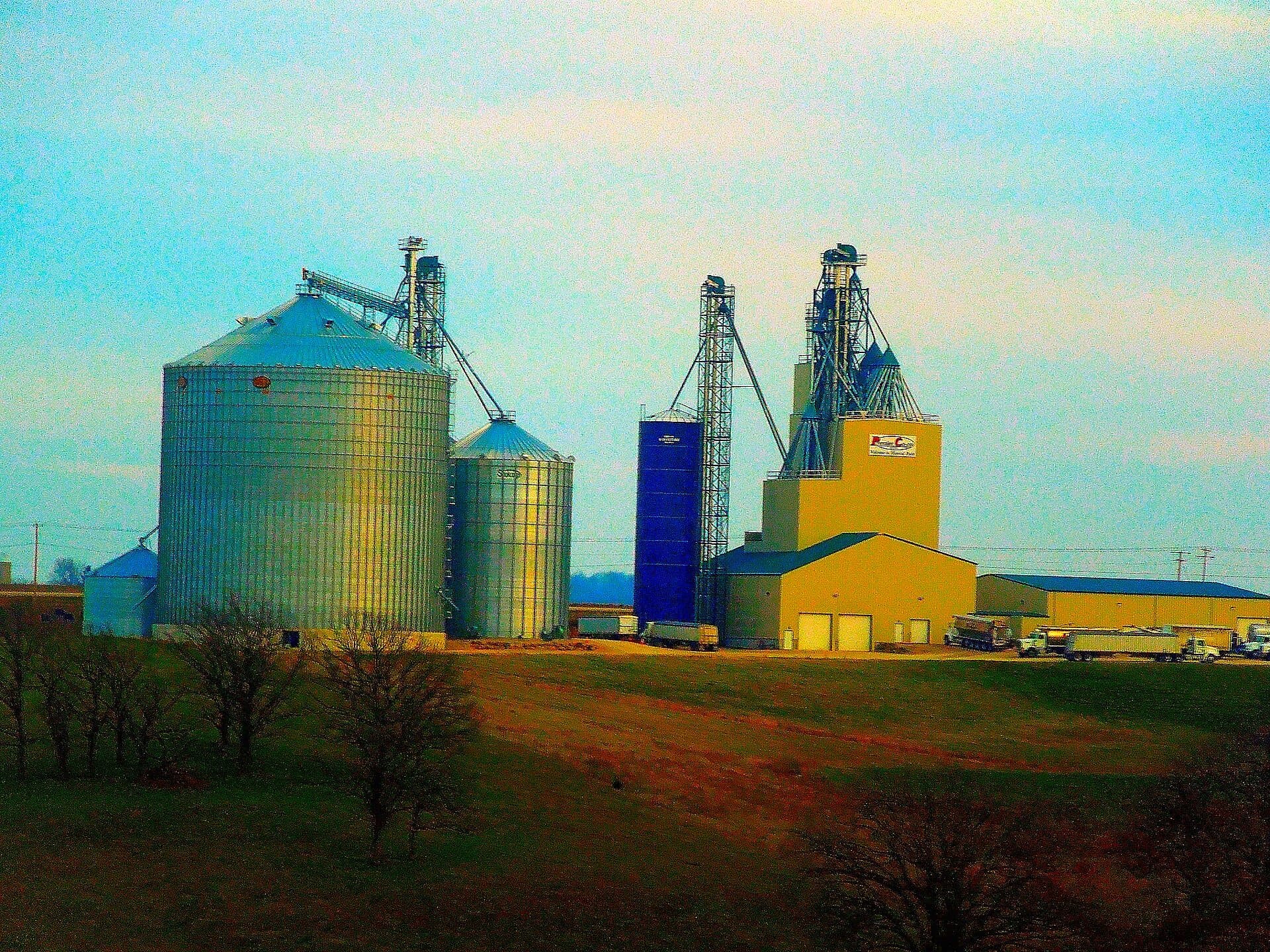
Agricultural cooperatives are among the most economically significant cooperatives in the world. The largest ag cooperatives generate revenues in the tens of billions of dollars annually, operate globally, and handle substantial percentages of their countries' food output.
The fifteen cooperatives profiled below were selected to represent geographic diversity (North America, Europe, Asia-Pacific, and South Asia), sector diversity (dairy, grain, fruit, nuts, eggs), and organizational scale (from a few hundred members to millions). Revenue and membership figures reflect the most recent published data available. For a deeper look at the sector, see agricultural cooperatives.
United States
1. Dairy Farmers of America (DFA)
Founded: 1998 (through merger of four existing dairy cooperatives) Members: Approximately 11,000 dairy farm families Revenue: $19.8 billion (2022) Headquarters: Kansas City, Kansas
Dairy Farmers of America is the largest dairy cooperative in the United States and one of the largest dairy enterprises of any kind in the world. It was formed through the 1998 merger of Mid-America Dairymen, Milk Marketing, Inc., Western Dairyfarmers Promotion Association, and Southwestern Dairy Farmers.
DFA handles roughly 30% of all US milk production. It processes and markets fluid milk, cheese, butter, and milk powder under multiple brands and through private-label manufacturing for retailers. Key processing facilities span 30 states.
DFA is vertically integrated in ways that distinguish it from simpler marketing cooperatives: it owns processing plants, distribution infrastructure, and even consumer brands. Its acquisition of Dean Foods assets in 2020 (after Dean's bankruptcy) added significant fluid milk processing capacity.
Members deliver milk to DFA, which pays them a base price plus patronage refunds. The cooperative's strength is its ability to negotiate collectively with large dairy buyers — major food companies, retailers, and food service operators.
2. Land O'Lakes
Founded: 1921 Members: Approximately 1,700 member cooperatives and direct farmer members Revenue: $17.4 billion (2022) Headquarters: Arden Hills, Minnesota
Land O'Lakes began as the Minnesota Cooperative Creameries Association, a federation of dairy cooperatives formed to collectively market butter. It adopted its current name in 1926. Today, Land O'Lakes is a diversified agricultural cooperative with three main business segments:
- Dairy Foods: The consumer dairy brand segment — the butter in the yellow box familiar to US consumers — along with cheese and other dairy products
- Winfield United: Crop inputs, agronomy services, and precision agriculture technology for member farmers
- Purina Animal Nutrition: Animal feed products (acquired 2001)
Land O'Lakes is a federated cooperative — its members are primarily other cooperatives rather than individual farmers, though it also has direct farmer members. About 1,700 local cooperative elevators and agricultural cooperatives hold membership.
The structure matters: Land O'Lakes provides services to these member cooperatives, who in turn serve individual farmers. This layered structure is common in the US agricultural cooperative sector.
3. CHS Inc.
Founded: 1931 (as Farmers Union Central Exchange) Members: Approximately 600 cooperative and farmer members Revenue: $44.6 billion (2022) Headquarters: Inver Grove Heights, Minnesota
CHS Inc. is the largest cooperative enterprise in the United States by revenue. It is an integrated energy, grains, and foods business serving farmers and rural communities across North America.
CHS's primary business lines:
- Grain marketing: One of the largest grain exporters in the United States
- Energy: Nationwide propane distribution, petroleum refinery ownership (Laurel, Montana), and lubricants
- Foods: Oilseed processing, sunflower products, and Ventura Foods (a cooking oil and dressing manufacturer)
CHS is classified as a secondary cooperative because its members are primarily other cooperatives — local grain elevators and agricultural service cooperatives — rather than individual farmers. It plays the role of national marketer and supplier for its member cooperatives.
4. Ocean Spray Cranberries
Founded: 1930 Members: Approximately 700 cranberry and grapefruit grower members Revenue: $2 billion (estimated 2022) Headquarters: Lakeville-Middleboro, Massachusetts
Ocean Spray is the largest cranberry marketing cooperative in the world, controlling approximately 65% of US cranberry production. It was founded by three New England cranberry growers who recognized that pooling marketing resources would allow them to develop consumer-branded products rather than selling commodity fruit to processors.
The cooperative pioneered the concept of selling packaged cranberry sauce and cranberry juice cocktail to consumers — converting what had been a niche product into a mass-market item. Ocean Spray products are now sold in 100+ countries.
All Ocean Spray cranberries are grown by its member growers. The cooperative provides marketing, processing, and research and development services, and pays members the proceeds from product sales (minus operating costs and reserves) as patronage refunds.
5. Blue Diamond Growers
Founded: 1910 Members: Approximately 3,000 almond grower members Revenue: $1.6 billion (2022) Headquarters: Sacramento, California
Blue Diamond Growers is the world's largest almond processing and marketing organization. California's San Joaquin Valley produces approximately 80% of the world's almond supply, and Blue Diamond handles roughly one-third of California's total almond crop.
The cooperative operates processing facilities, develops consumer products (Almond Breeze almond milk is Blue Diamond's largest single product), and markets almonds globally. Its members receive payments based on the weight and grade of almonds delivered, with final pricing based on what the cooperative receives in the market.
Blue Diamond's success illustrates a key advantage of marketing cooperatives: the ability to invest in product development and consumer branding that individual growers cannot afford. Almond milk has generated far higher per-pound returns for almond growers than commodity nut sales would provide.
6. Sunkist Growers
Founded: 1893 (as the Southern California Fruit Exchange) Members: Approximately 6,000 citrus grower members in California and Arizona Revenue: $1.5 billion (estimated) Headquarters: Sherman Oaks, California
Sunkist is one of the oldest and best-known agricultural marketing cooperatives in the United States. Its members grow citrus — primarily oranges, lemons, and grapefruits — in California and Arizona.
Sunkist was among the first cooperatives to build a major consumer brand around a commodity product. The Sunkist name is now also licensed globally for a wide range of products including juices, snacks, and vitamins, generating royalty income that supplements member marketing returns.
Europe
7. Arla Foods
Founded: 2000 (merger of MD Foods of Denmark and Arla of Sweden; roots dating to 1881) Members: Approximately 8,000 dairy farmers in Denmark, Sweden, UK, Germany, Belgium, and Luxembourg Revenue: €13.7 billion (2022) Headquarters: Aarhus, Denmark
Arla Foods is the largest dairy company in Scandinavia and one of the top five dairy companies in the world. It is owned cooperatively by approximately 8,000 dairy farmers across six European countries.
Arla's member farms supply all of its raw milk. The cooperative's processing and marketing operations span over 30 manufacturing facilities producing milk, butter, cheese, whey, and yogurt under brands including Arla, Lurpak, Castello, and Puck (Middle East). Arla distributes products in more than 100 markets.
The cooperative's governance structure is notably internationalist: Danish, Swedish, British, German, Belgian, and Luxembourg farmer members all participate in governance through a democratic structure that gives each national farmer group representation. A 22-member Board of Representatives elected by farmers from each country sets strategy and oversees management.
Arla pays its members a milk price benchmarked to comparable cooperative prices across Europe, adjusted for the cooperative's performance. Strong financial years yield patronage distributions on top of the base milk price.
8. Friesland Campina
Founded: 2008 (merger of Friesland Foods and Campina; roots dating to 1871) Members: Approximately 11,000 dairy farmer members in the Netherlands, Germany, and Belgium Revenue: €14 billion (2022) Headquarters: Amersfoort, Netherlands
FrieslandCampina is one of the world's largest dairy companies, cooperatively owned by its member farmers through the holding cooperative Zuivelcoöperatie FrieslandCampina U.A.
The cooperative processes about 10.5 billion kilograms of milk annually, producing consumer dairy products, ingredients for the food and pharmaceutical industries, and infant nutrition. Key brands include Frisian Flag, Debic, Dutch Lady (Southeast Asia), and Chocomel.
FrieslandCampina is notable for its strong presence in emerging markets, particularly Southeast Asia and Africa, where it markets under local brand names. This international reach diversifies price risk for member farmers whose milk price is partly tied to global dairy markets.
Oceania
9. Fonterra
Founded: 2001 Members: Approximately 10,000 farmer shareholders in New Zealand Revenue: NZ$22.6 billion (fiscal year 2023) Headquarters: Auckland, New Zealand
Fonterra is the world's largest exporter of dairy products and New Zealand's largest company. It collects approximately 80% of New Zealand's milk production — itself representing roughly 30% of global dairy trade.
Fonterra was created by an act of New Zealand's parliament (the Dairy Industry Restructuring Act 2001), which merged the New Zealand Dairy Group and Kiwi Cooperative Dairies. The cooperative structure was mandated by the government as the condition for allowing the merger of what would otherwise have been a private dairy monopoly.
Fonterra's cooperative shares have a unique "fair value" pricing system: the value of each share is pegged to the cooperative's calculated asset value, not traded on a stock exchange. This system allows shares to be redeemed at fair value when farmers leave the cooperative while preventing speculative trading.
Fonterra distributes to its farmer-shareholders through two channels:
- Milk price: The commodity price paid per kilogram of milk solids delivered
- Earnings per share: Retained cooperative earnings distributed as a dividend-like payment
In recent years Fonterra has divested non-core assets (including its Australian consumer dairy business and its 18% stake in Beingmate, a Chinese infant formula company) to focus on high-value dairy ingredients and foodservice, following a period of strategic overextension.
South Asia
10. AMUL (Gujarat Cooperative Milk Marketing Federation)
Founded: 1946 (Anand Milk Union Limited), Federation formed 1973 Members: Approximately 3.6 million dairy farmer members across 18,700 village societies Revenue: ₹72,000 crore (~$8.7 billion) (fiscal year 2023) Headquarters: Anand, Gujarat, India
AMUL is the most celebrated example of cooperative success in the developing world. Its story — the "White Revolution" that transformed India from a dairy-deficit country to the world's largest milk producer — is studied in business schools globally. See cooperatives in India for the broader context of this cooperative movement.
AMUL was founded in response to exploitation by private dairy traders in Anand, Gujarat. Farmers were paid below-market prices for milk and had no collective bargaining power. Dr. Verghese Kurien, who became the cooperative's managing director in 1950, built AMUL into a vertically integrated enterprise with village-level collection societies, district-level unions, and the state-level federation that markets under the AMUL brand.
The AMUL structure is a three-tier cooperative:
- Village milk collection societies — owned by individual farmers, collect and test milk twice daily
- District milk unions — owned by the village societies, process milk and manage logistics
- Gujarat Cooperative Milk Marketing Federation (GCMMF) — owned by the district unions, markets AMUL products nationally and internationally
This structure is called the Anand Pattern and has been replicated across India and adapted in other developing countries. The National Dairy Development Board (NDDB), founded by Kurien, has implemented the Anand Pattern in hundreds of districts across India.
AMUL's tagline — "The Taste of India" — and its famous "Amul Girl" advertising campaign (running continuously since 1966) make it one of India's most recognized brands.
Other Notable Agricultural Cooperatives
11. Agricel / Ardo (Belgium)
Ardo is one of Europe's largest frozen vegetable producers, a cooperative owned by its Belgian farmer members. It processes over 450,000 tonnes of vegetables annually from its member farms.
12. Metsä Group (Finland)
Metsä Group is a Finnish forest industry company owned cooperatively by approximately 95,000 Finnish forest owners through the Metsäliitto Cooperative. Members own the forest land and deliver timber to Metsä for processing into pulp, paper, and wood products.
13. Unifine/Cebeco Grain (Netherlands)
Agrifirm is the Netherlands' largest agricultural supply cooperative, owned by approximately 15,000 farmer members. It supplies seeds, fertilizers, crop protection, and animal feed to Dutch farmers.
14. SunRice (Australia)
SunRice (SunRice Group) is Australia's largest rice marketing organization, owned cooperatively by approximately 1,200 NSW rice growers. It processes and markets Australian rice globally under the SunRice brand.
15. Café de Colombia / Federación Nacional de Cafeteros
The Federación Nacional de Cafeteros de Colombia (FNC) is a cooperative federation representing approximately 540,000 Colombian coffee grower families. It markets Colombian coffee globally under the Juan Valdez brand (one of the most successful cooperative branding programs in history) and operates the Juan Valdez café chain.
The FNC's Colombia-origin certification program — ensuring that products labeled "100% Colombian Coffee" actually meet quality and origin standards — has created a premium brand position for its members' coffee in global markets.
What These Cooperatives Have in Common
Despite their differences in size, sector, and geography, these cooperatives share several characteristics:
Long tenure. Most were founded between 1890 and 1950 during waves of agricultural cooperative formation. Cooperative enterprises built on member trust and democratic governance tend to outlast investor-owned competitors that cycle through ownership changes.
Collective branding. Most have invested in consumer brands (AMUL, Ocean Spray, Blue Diamond, Sunkist, Lurpak) that deliver premium pricing for commodity agricultural products. A cooperative's ability to pool marketing investment across thousands of members creates brand-building capacity that individual farmers cannot replicate.
Member service orientation. Each cooperative traces its founding to a specific member problem — exploitative private buyers, poor market access, inability to afford processing infrastructure — and structures its operations to solve that problem. Success is measured by member benefit, not shareholder return.
Federated or direct membership. Some (Land O'Lakes, CHS) are federated structures where members are other cooperatives. Others (AMUL, Blue Diamond) have direct individual farmer membership. Both models work; the choice depends on the scale of individual operations and the need for local service delivery.
References & further reading
This guide is researched against primary sources. Where we cite figures, they reflect the most recent data published by these organisations at the time of writing.
- 1.Cooperative Services — USDA Rural Development
- 2.Cooperative identity, values & principles — International Cooperative Alliance
Continue Reading
Find Cooperatives Worldwide
Browse 26,000+ cooperatives by sector and country in our free directory.