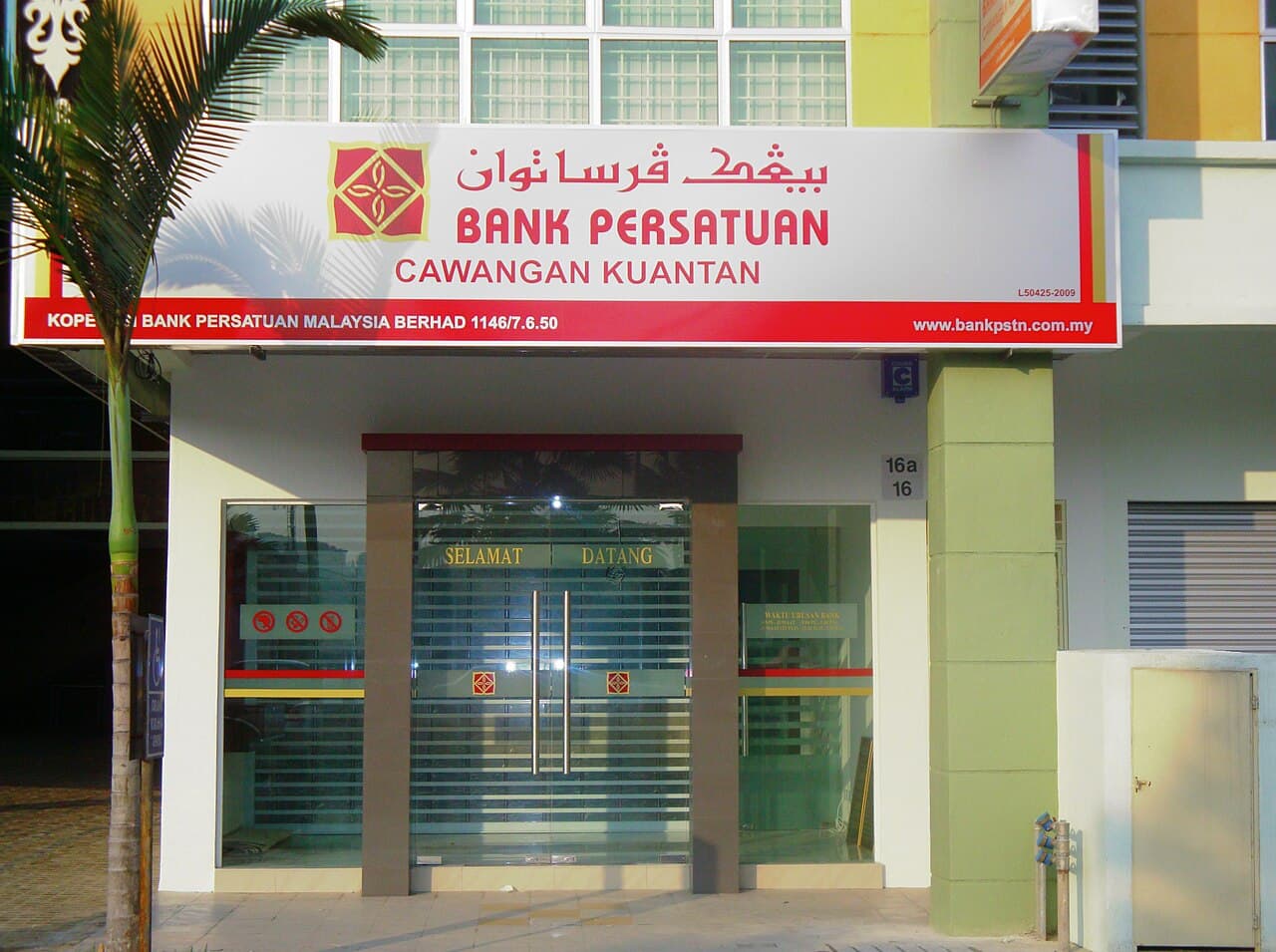
Malaysia has over 14,000 registered cooperatives with approximately 8 million members — roughly 25% of the adult population — making it one of the most cooperative-intensive economies in Southeast Asia. The cooperative sector is intrinsically linked to Malaysia's Bumiputera (ethnic Malay and indigenous peoples) economic empowerment policies, with cooperatives since the 1970s serving as a vehicle for wealth distribution and economic capacity-building for the Malay majority. Bank Rakyat (Koperasi Rakyat Malaysia), a cooperative bank with over RM 110 billion in assets, is Malaysia's largest cooperative and one of its leading financial institutions. ANGKASA (Angkatan Koperasi Kebangsaan Malaysia) is the national apex body coordinating the movement. Total cooperative sector assets exceed RM 150 billion.
Cooperative Sector Overview
Malaysia's cooperative movement spans financial services, consumer goods, housing, transport, agriculture, and government employee services. The government has been the primary promoter of cooperatives rather than organic member-driven development — a characteristic that gives Malaysian cooperatives strong institutional support but sometimes creates challenges of genuine member governance.
| Metric | Figure |
|---|---|
| Registered cooperatives | 14,000+ |
| Total members | ~8 million |
| Total sector assets | RM 150+ billion |
| Bank Rakyat assets | RM 110+ billion |
| National apex body | ANGKASA |
| Regulator | Suruhanjaya Koperasi Malaysia (SKM) |
| Primary legislation | Akta Koperasi 1993 (Cooperative Act 1993) |
| Government ministry | Ministry of Entrepreneur Development and Cooperatives (MECD) |
Malaysia's cooperative history begins in the colonial era. The British colonial government established the first Cooperative Societies Ordinance in 1922, primarily to create rural credit cooperatives for smallholder farmers. Post-independence cooperatives were re-oriented under the New Economic Policy (NEP) after 1970 to serve Bumiputera economic development. Government employee cooperatives, military cooperatives, and state-linked cooperatives received significant institutional and capital support.
Key Cooperative Sectors
Financial Services: Bank Rakyat
Bank Rakyat (Koperasi Rakyat Malaysia Berhad) is Malaysia's largest banking cooperative and one of the country's most significant financial institutions. Founded in 1954 under the Cooperative Societies Ordinance, Bank Rakyat was reconstituted as a cooperative under the Development Finance Institutions Act 2002 while retaining its cooperative structure.
Bank Rakyat is the only cooperative bank in Malaysia with a full commercial banking licence. It primarily serves Bumiputera customers, offering personal financing (the dominant product), housing loans, auto financing, and business loans. Personal financing — essentially unsecured consumer loans repaid through salary deduction — is Bank Rakyat's most profitable business segment, serving government employees and civil servants. Assets exceed RM 110 billion, making Bank Rakyat one of Malaysia's top five financial institutions by asset size.
Bank Rakyat channels profits to Bumiputera development programmes and social welfare, consistent with its founding mandate. Its dividend distribution to members and its contributions to cooperative education funds are among the highest in the Malaysian cooperative sector.
Government Employee and Military Cooperatives
Koperasi Tentera Malaysia Berhad (Angkatan) serves Malaysian Armed Forces personnel. Established in 1973, it provides financial services (loans, savings), retail (military cooperative stores), petrol stations, travel services, and housing schemes to its military member base. Assets exceed RM 5 billion and membership includes active and retired military personnel.
Koperasi Polis DiRaja Malaysia Berhad (KPDRM) serves Royal Malaysia Police members, providing similar services to Koperasi Tentera. Government employee cooperatives are among the strongest financial performers in the Malaysian sector because their membership is stable, incomes are regular, and loan repayments are secured through salary deduction arrangements with the government payroll system.
Koperasi Kakitangan Awam (KKA) cooperatives — civil servant cooperatives — operate across federal and state government agencies, providing consumer credit and consumer goods to thousands of civil servants.
Consumer Cooperatives
Cooperative Thrift and Loan Society (CTLS) cooperatives operate consumer stores and credit services. Koperasi PKNS and housing cooperative societies operate in the property and housing sector. Consumer cooperatives in Malaysia typically serve closed memberships — employees of a single employer, residents of a specific government housing scheme — rather than open general public membership.
MYDIN is sometimes mistakenly identified as a cooperative — it is actually a family-owned wholesale and retail company. Malaysia's largest genuine consumer cooperative retail operations are smaller in scale than the sector's financial cooperatives.
Agriculture: FELCRA and FELDA Links
Malaysia's agricultural smallholder sector is dominated by FELDA (Federal Land Development Authority) and FELCRA (Federal Land Consolidation and Rehabilitation Authority), both government agencies rather than true cooperatives. However, both manage collective smallholder oil palm and rubber schemes with cooperative-like characteristics: settlers/participants receive shares of scheme income, collective management of processing, and collective marketing.
FELDA settlers' cooperatives — separate from FELDA itself — exist at some schemes to manage collective input purchasing and consumer stores. RISDA (Rubber Industry Smallholders Development Authority) similarly supports rubber smallholder cooperatives.
Agricultural cooperatives in Malaysia's commodity sectors are less developed than in countries like Australia or New Zealand, partly because FELDA and FELCRA's parastatal structures have substituted for independent cooperative development.
Housing Cooperatives
Koperasi Perumahan (housing cooperatives) exist in several forms. Some are savings-based cooperatives where members accumulate capital toward collective property purchase. The Selangor and Kuala Lumpur urban areas have several housing cooperatives developing affordable housing for member groups, often linked to ethnic community organisations.
Legal Framework
Akta Koperasi 1993 (Cooperative Act 1993)
The primary legislation is the Cooperative Act 1993 (Akta Koperasi 1993), which has been amended several times, most significantly in 2007. Key provisions:
- Formation: Minimum 100 members for a primary cooperative (reduced from 50 in earlier versions, but raised to 100 in certain interpretations); Board of Directors of 7–13 members
- Annual General Meeting: Required annually; supreme governance authority
- Financial reporting: Annual accounts must be audited by auditors approved by SKM
- Supervision: By Suruhanjaya Koperasi Malaysia (SKM) — the Malaysian Cooperative Commission
- Compulsory reserves: 25% of net surplus to a statutory reserve; allocations to cooperative education and development funds
Suruhanjaya Koperasi Malaysia (SKM)
SKM is the Cooperative Commission of Malaysia, established under the Cooperative Act as the registrar and supervisor of all cooperatives. SKM has the power to register, inspect, investigate, and deregister cooperatives. It also has intervention powers for financially distressed cooperatives. SKM's annual reports publish detailed statistics on the cooperative sector, making Malaysia one of the better-documented cooperative economies in Asia.
Development Finance Institutions Act 2002 (Bank Rakyat)
Bank Rakyat is technically subject to both the Cooperative Act and the Development Finance Institutions Act 2002 (DFIA), which governs its banking activities and subjects it to Bank Negara Malaysia (the central bank) supervision. This dual-regulatory framework reflects Bank Rakyat's unique position as both a cooperative and a licensed financial institution.
Cooperative Tribunal
Malaysia has a Cooperative Tribunal — a specific dispute resolution body for cooperative-related disputes between members, between cooperatives, or between cooperatives and third parties. This avoids clogging general courts with cooperative governance disputes and provides faster specialist resolution.
Major Cooperatives
Bank Rakyat (Koperasi Rakyat Malaysia)
Founded: 1954 Members: 1+ million Assets: RM 110+ billion Sector: Banking and financial services
Bank Rakyat is Malaysia's only full-service cooperative bank and its largest cooperative by assets. It serves Bumiputera customers with personal financing, housing loans, and business credit. Its cooperative charter requires it to channel profits toward cooperative development and member welfare. Bank Rakyat's financial performance — consistently profitable — demonstrates that a cooperative bank in Malaysia's environment can compete effectively with investor-owned commercial banks.
ANGKASA (Angkatan Koperasi Kebangsaan Malaysia)
Founded: 1971 Members: ~14,000 cooperatives (institutional members) Sector: Apex body (cooperative federation)
ANGKASA is the national cooperative apex representing all registered cooperatives. It provides training, advisory services, advocacy, and coordination across the movement. ANGKASA operates several commercial services including the ANGKASA Deduction Scheme — a central payroll deduction system that enables cooperative member loan repayments to be collected directly from government salaries. This mechanism underpins the financial health of government employee cooperatives across Malaysia.
Koperasi Tentera Malaysia (Angkatan)
Founded: 1973 Members: ~100,000 military personnel (active and retired) Assets: RM 5+ billion Sector: Financial services, retail, petrol, housing
Koperasi Tentera is one of Malaysia's strongest cooperatives by financial performance. Its members' stable salaries and the cooperative's salary-deduction loan model produces low default rates. Beyond financial services, it operates retail stores, petrol stations (under the Petronas dealership), travel agencies, and a housing development arm.
Koperasi Polis DiRaja Malaysia (KPDRM)
Founded: 1967 Members: ~120,000 police personnel Sector: Financial services and consumer goods
KPDRM is the police cooperative, similar in structure to Koperasi Tentera but serving Royal Malaysia Police members. It provides consumer credit, savings, property schemes, and cooperative stores. Its financial performance mirrors the military cooperative because of the government salary backing for loans.
Koperasi TH Ladang Sdn. Bhd. (Tabung Haji links)
Malaysia's Islamic pilgrimage fund Lembaga Tabung Haji has cooperative links through plantation cooperatives that invest member savings in Tabung Haji's agricultural subsidiaries. These are a specialised niche reflecting Malaysia's integration of Islamic finance principles with cooperative economics.
Challenges and Opportunities
Governance and Mismanagement
Malaysia's cooperative sector has experienced several high-profile governance failures. Koperasi Belia Islam Malaysia (KBIM) collapsed in 2009 with losses of RM 180 million affecting 16,000 members. Koperasi Tenaga Nasional Berhad (KOTNASB) and several other cooperatives have faced SKM intervention for financial mismanagement. The pattern — rapid growth through attractive returns, inadequate governance, and eventual failure — mirrors cooperative sector failures globally.
SKM has strengthened supervisory requirements, but the volume of cooperatives (14,000+) means oversight is resource-constrained.
Excessive Debt Loading on Government Employees
A specific Malaysian cooperative challenge is the excessive debt loading of government employees through cooperative loans. The salary deduction mechanism — while protecting cooperatives' repayment rates — can enable individual civil servants to accumulate unsustainable debt across multiple cooperatives, since there is no centralised credit bureau monitoring all cooperative loans. Several studies have found government employees carrying debt equivalent to multiple years of salary. Reforms to require credit bureau checks before cooperative loans were being discussed in the early 2020s.
Bumiputera Policy Dependency
Malaysia's cooperative sector has been so closely tied to Bumiputera development policy that cooperatives are sometimes perceived as ethnically exclusive institutions. Non-Bumiputera Malaysians (Chinese and Indian communities) have lower cooperative membership rates and tend to use different financial institutions. Broadening the cooperative model's appeal across all communities would strengthen the sector's legitimacy and resilience.
Agricultural Cooperative Gap
Despite Malaysia's significant palm oil and rubber production, the agricultural cooperative sector is weak compared to the country's agricultural importance. FELDA and FELCRA's parastatal dominance has prevented genuine smallholder cooperative development. With FELDA facing financial difficulties and policy changes, there may be an opportunity for genuine farmer cooperatives to fill some of the space previously occupied by the parastal agencies.
Related Articles
References & further reading
This guide is researched against primary sources. Where we cite figures, they reflect the most recent data published by these organisations at the time of writing.
- 1.Facts & figures on the cooperative movement — International Cooperative Alliance
- 2.Cooperatives and the world of work — International Labour Organization
Find Cooperatives Worldwide
Browse 26,000+ cooperatives by sector and country in our free directory.